

There is no question that Italy’s capital is an amazing cultural experience. You can tour the Colosseum in Rome, see where the Pope calls home and stroll through incredible cobblestone streets with centuries of history behind them. On your next getaway to the Eternal City, also be sure to make time for as many of the world-class museums in Rome as possible.
10. Museum of Roman Civilization
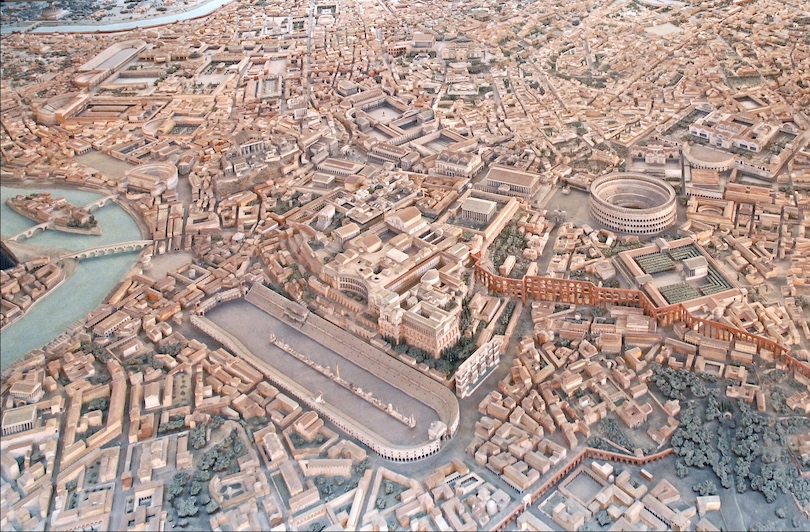
Modern Rome may have a lot to offer visitors, but to get a true sense of the city, it pays to step back in time. At the Museum of Roman Civilization, you can see a scale model of what ancient Rome looked like. There are also reproductions of some of the most famous Roman artifacts, letting you get a closer look at life in Imperial Roman times. The Museum of Roman Civilization, also know as the Museo della Civilta Romana, is located south of the city in a district called EUR, which boasts interesting plazas and buildings from the 1930s and 40s.
9. National Etruscan Museum
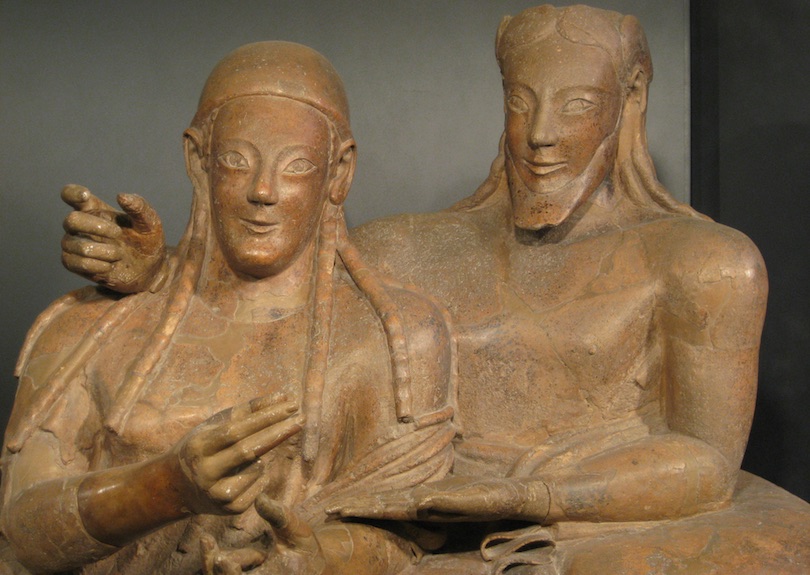
In area of Rome called the Vigna Vecchia, you can’t miss the beautiful Villa Guilia, a 16th century manor commissioned by Pope Julius III. Today, the Villa Guilia houses the Museo Nazionale Etrusco, or the National Etruscan Museum. This is the world’s largest collection of Etruscan art, and it is a must-see museum for anyone interested in art or history. A few of the most important items within the collection are the Bride and Groom, a life-size sculpture also known as the Sarcofago degli Sposi, the Pyrgi Tablets and the Tita Vendia Vase, which is estimated to be more than 2,600 years old.
8. MAXXI Museum
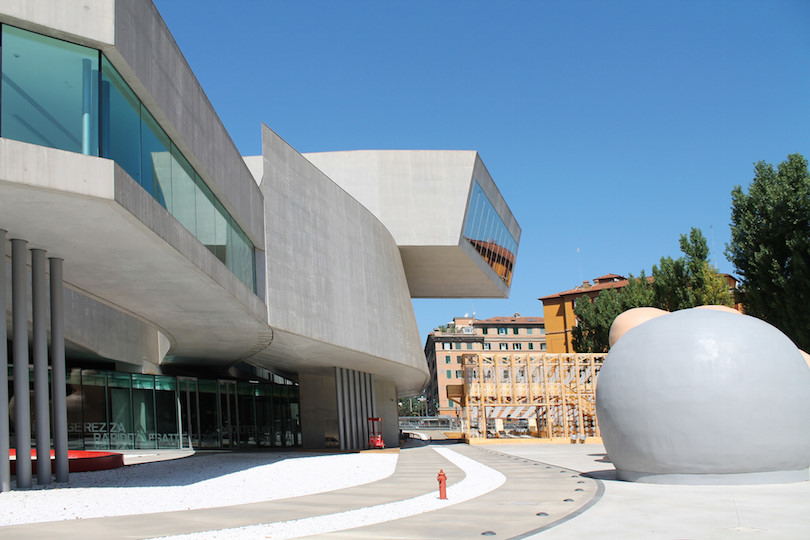
There is evidence of human settlement in what is now Rome from as far back as 14,000 years ago, but that doesn’t mean there isn’t also plenty of culture from the last century. The MAXXI Museum, short for the Museo nazionale delle arti del XXI secolo, is devoted to showing visitors and residents the best of Rome’s art from the 21st century. Designed by famed architect Zaha Hadid, the contemporary structure of the MAXXI Museum is worth exploring in its own right. The museum offers exhibits focusing on architecture, paintings and sculpture as well as a bookstore and cafe.
7. Villa Farnesina
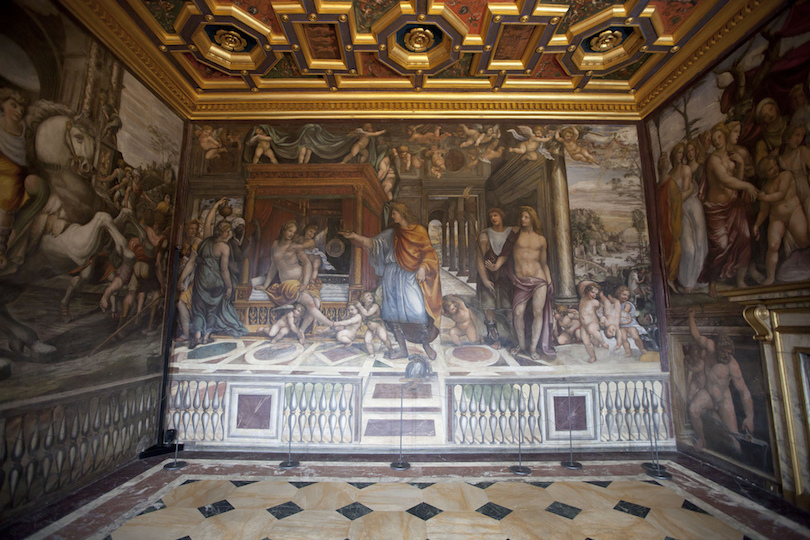
In 1506, a Renaissance villa was erected in the Trastevere district of Rome. Originally for a banker from Siena, the villa was purchased by the Farnese family towards the end of the 16th century, and it has gone by the name of Villa Farnesina ever since. While the villa is a spectacular U-shaped design, the real reason for a visit is the art exhibited within. Some of the bedroom’s walls are decorated with frescoes painted by Raphael, and a trompe-l’œil display is found in the salon. Most of the villa’s room, including the famed Loggia, is open to the public for tours on a regular basis.
6. Palazzo Doria Pamphilj
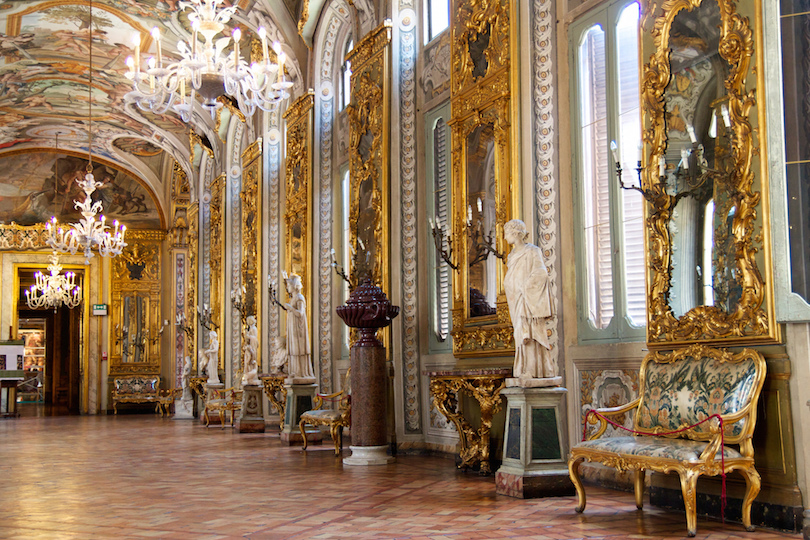
The Palazzo Doria Pamphilj is a privately owned palace in Rome that dates back to the 15th century, and it is the perfect way to get a glimpse into the aristocratic heart of the city. Believe it or not, the palace and the art gallery found within are still privately owned by a single family that uses part of the building as a private residence, but for the price of an admission ticket you can get inside yourself. Admire the more than 500 paintings, including works by Caravaggio, Velázquez and Titian, as well as sculptures by Bernini.
5. National Roman Museum
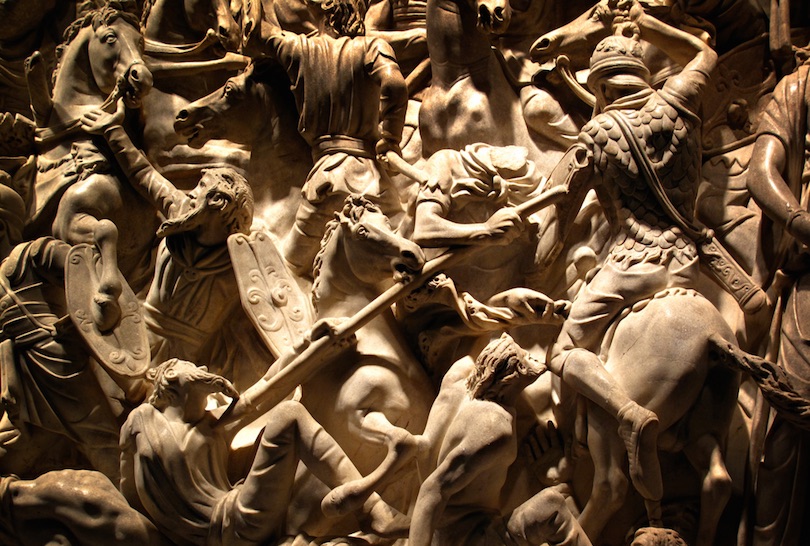
If you want to soak in as much of Rome’s history, heritage and culture as possible, then don’t miss the National Roman Museum, or the Museo Nazionale Romano. This Roman museum does not house its entire collection in one spot. Instead, exhibits are located in multiple destinations throughout the city. Find amber, Roman artifacts and jewelry within the incredible Palazzo Massimo alle Terme, admire breathtaking use of marble and stunning sculptures within the Palazzo Altemps and get an up-close look at Roman baths at the restored historic site of the Baths of Diocletian.
4. Castel Sant’Angelo
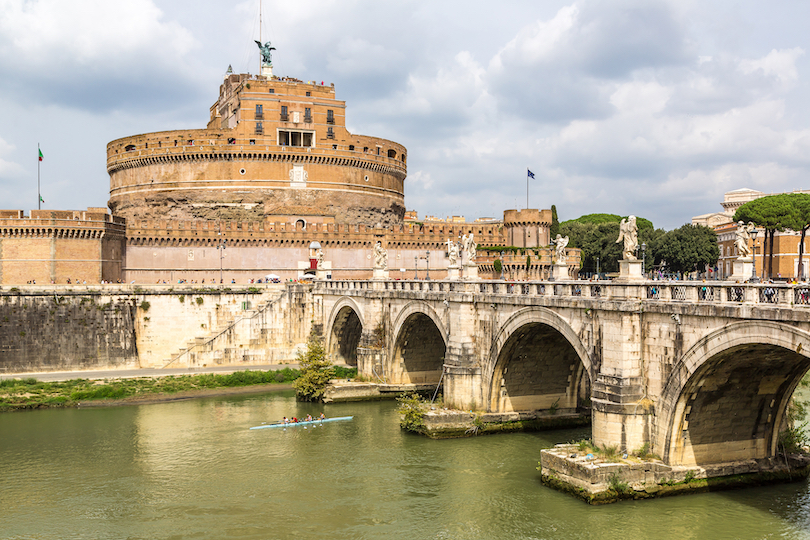
One museum in Rome you won’t want to miss is the Castel Sant’Angelo, parts of which are nearly 1,900 years old. Originally built as the masoleum for the Roman Emperor Hadrian, the castle was fortified and changed throughout the Middle Ages until it became the amazing building it is today. Today, the Castel Sant’Angelo houses a museum, the Museo Nazionale di Castel Sant’Angelo, which boasts a collection including everything from Renaissance paintings to rare pieces of medieval weaponry.
3. Capitoline Museums
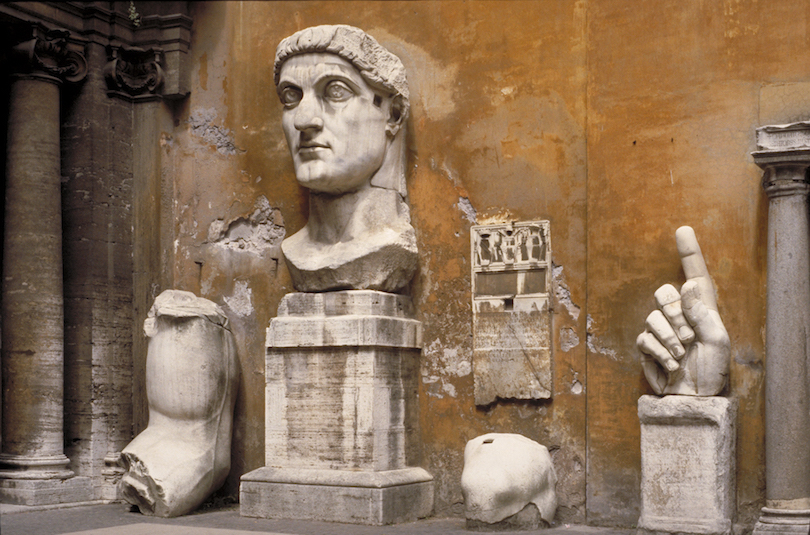
Step back in time at the Capitoline Museums, found in the Colosseo district just outside the Colosseum, in order to explore some of the best Greek and Roman artifacts in the city. The Museo Capitolino is housed in a 17th century structure based on a sketch by Michelangelo, and it is home to works like the Dying Gaul and the enormous statue of the emperor Marcus Aurelius on horseback, both of which are made from bronze. Its most famous work however is probably Lupa Capitolina, a sculpture of Romulus and Remus under a wolf. Part of the museum is also the building next door, called the Palazzo dei Conservatori, which houses additional early Greek and Roman works as well as a more modern picture gallery with works by artists like Caravaggio, Rubens and Titian.
2. Galleria Borghese
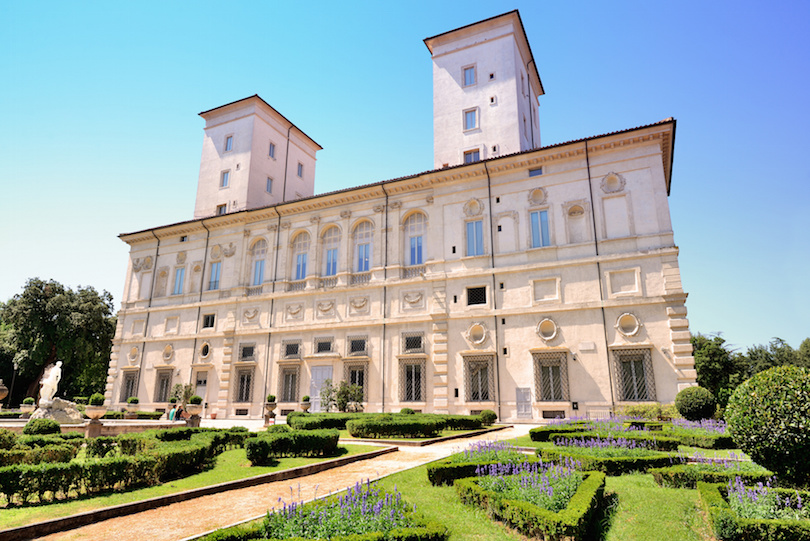
Arguably the most impressive art collection in the city of Rome is housed within the Villa Borghese in the Campo Marzio district. Scipione Borghese was an avid art collector, and he put together an amazing collection of Italian and European works. While in the Galleria Borghese, you can tour 20 rooms of art, including sculptures like David by Gian Lorenzo Bernini. Also on display are paintings by Titian, Caravaggio and Rubens. Unlike most other major art museums, exploring the Galleria Borghese won’t take all day, as there is an emphasis on quality paintings rather than on sheer museum volume.
1. Vatican Museums
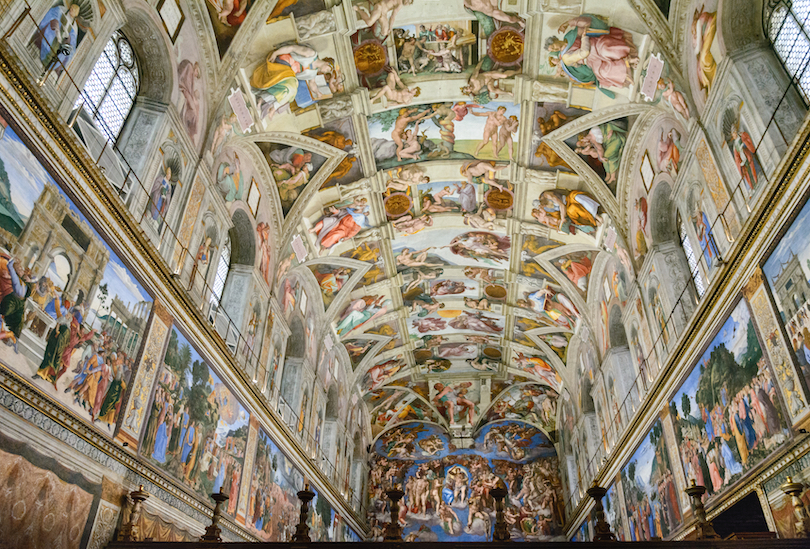
When visiting the Vatican, highlights include the Swiss Guard and St. Peter’s Basilica. However, be sure not to miss the Vatican Museums in Rome, which house an amazing collection of religious art. Part of the museum is the Sistine Chapel, which is famed for its incredible frescoes on the ceiling painted by Michelangelo. The museums are arranged so that visitors can only walk in one direction, ensuring you don’t miss the spiral staircase or the Raphael Rooms. Although self-guided visits can be enjoyable, splurge a little on one of the guided tours, available in multiple languages, in order to truly appreciate everything on display.