If you’ve visited some of America’s national parks, you might have noticed that some of the big-name parks are just a bit too big. With over 325 million visitors flocking to the country’s national parks in 2023 alone, it’s no wonder some parks feel more like tourist traps than tranquil nature reserves.
And while the iconic parks like Yellowstone and Yosemite are absolutely stunning and worth a visit, there is something special about the lesser-known parks out there, too.
These underrated national parks offer similar breathtaking landscapes, rich histories, and a chance to connect with nature – only without the busy crowds:
16. Black Canyon of the Gunnison National Park, Colorado
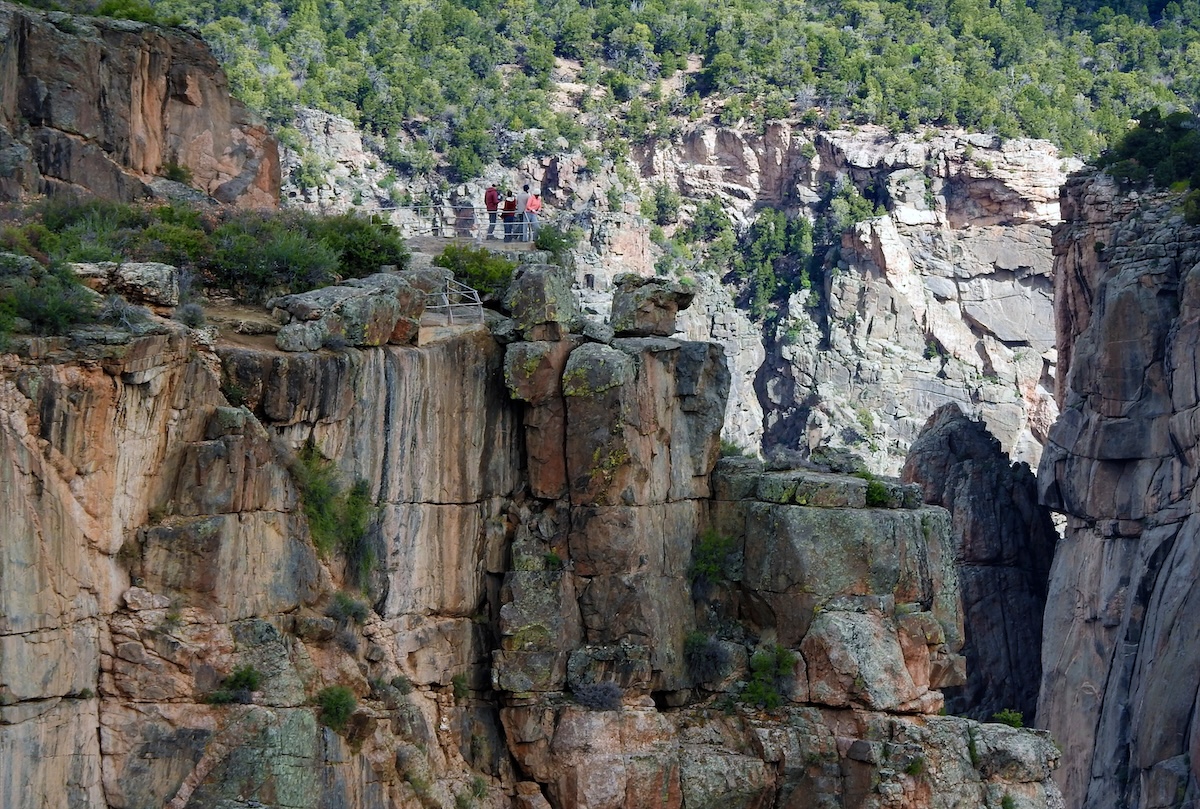
Out in western Colorado, Black Canyon of the Gunnison is easily the state’s most overlooked national park. While Rocky Mountain National Park gets swarmed by over 4 million people a year, this place only saw about 357,000 visitors in 2023.
The canyon earned its name from the deep shadows that swallow its narrow, steep walls. Some spots barely get half an hour of sunlight a day. Over millions of years, the Gunnison River cut through ancient rock, leaving behind some of the steepest cliffs you’ll ever see in North America.
Drive along the South or North Rim and you’ll hit a bunch of overlooks with killer views. The park covers a little over 30,000 acres and has trails for everyone—from easy rim strolls to rugged routes that drop down into the canyon itself. Even in summer, you can hike without bumping elbows with strangers every few minutes.

15. Lake Clark National Park and Preserve, Alaska
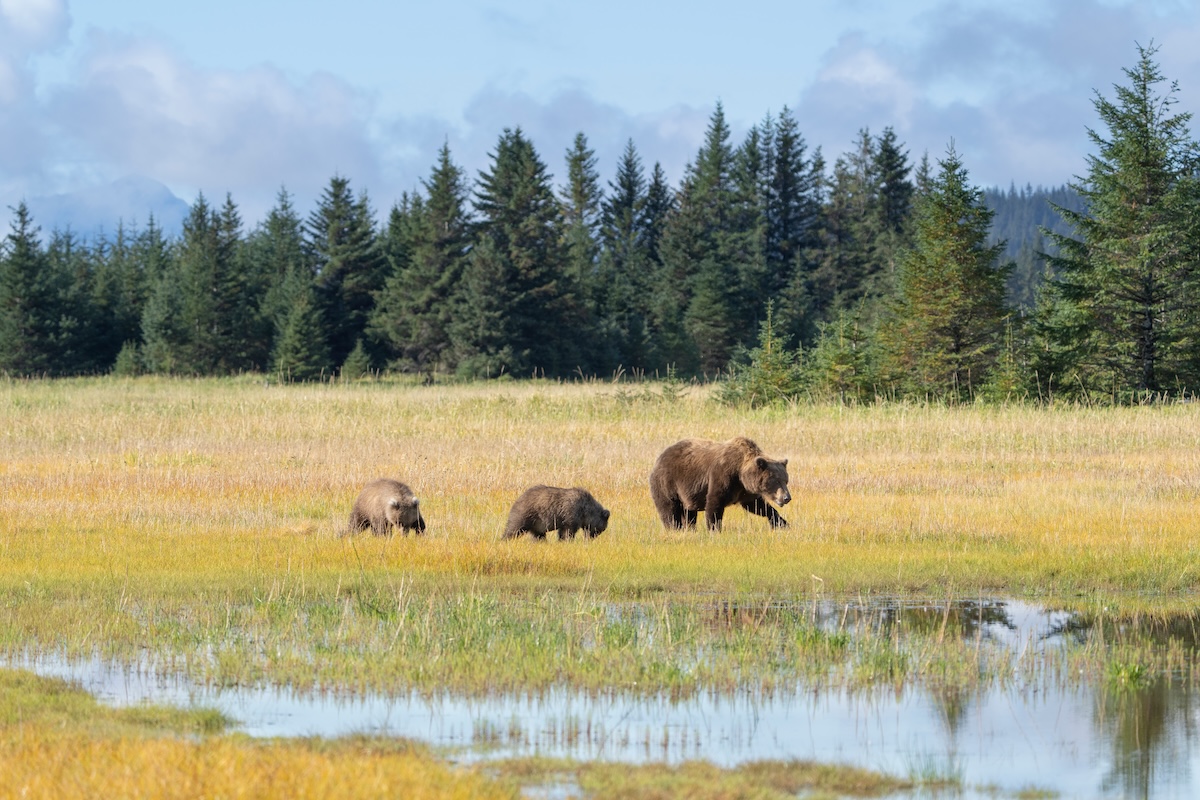
Lake Clark National Park lies about 100 miles southwest of Anchorage, but honestly, it feels like another planet. This place spans a wild 4 million acres, yet barely anyone makes it out here—even though the scenery is peak Alaska.
Active volcanoes, glaciers, jagged peaks—it’s all here. Lake Clark itself is the largest in the state, and every year, more than 350,000 sockeye salmon return to spawn. That means it’s a hot spot for bear watching, too.
Getting in isn’t simple. With no roads leading to the park, you’ll need to hop on a small plane from Anchorage or nearby towns. The remoteness keeps it blissfully quiet, so you can really get that untouched wilderness vibe. You might go hours without seeing another soul, which, let’s be honest, is the whole point sometimes.
14. Theodore Roosevelt National Park, North Dakota
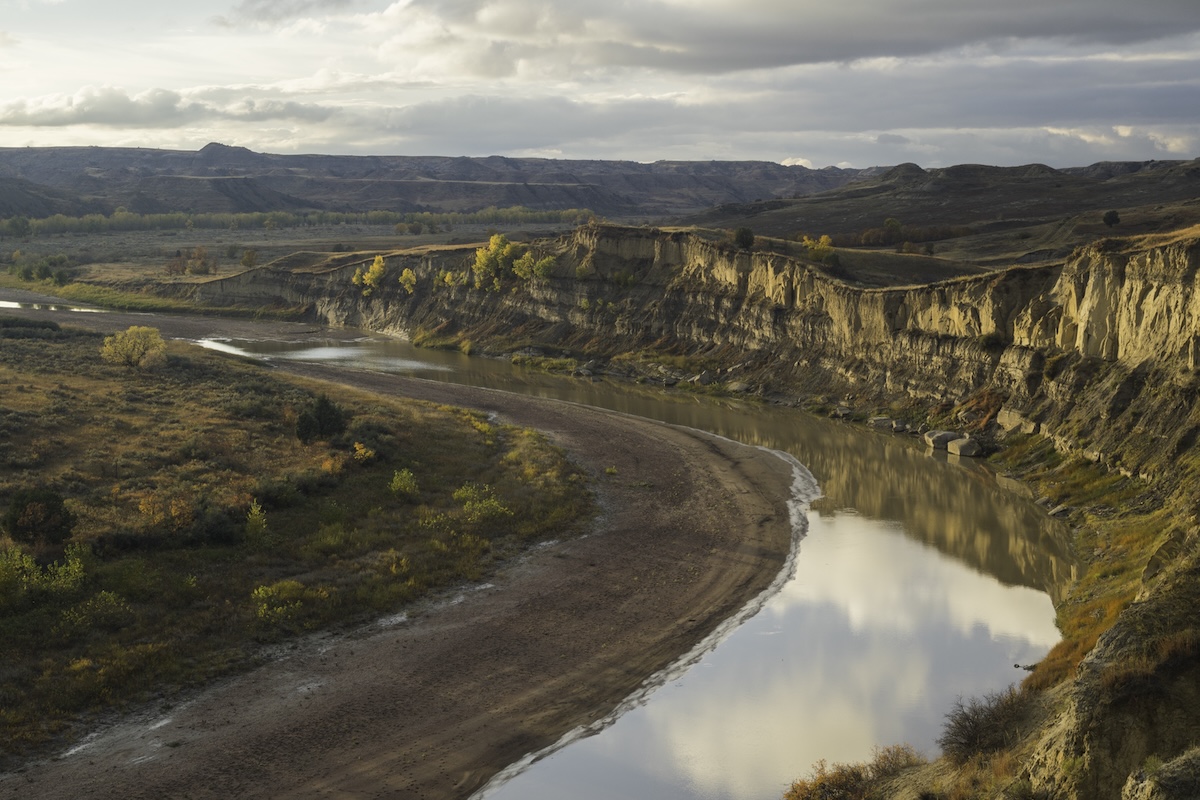
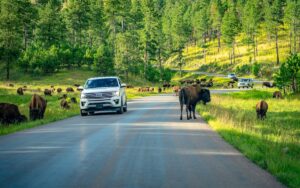
Theodore Roosevelt National Park sprawls across the state’s rugged Badlands, where rolling hills meet bands of colorful rock and wide open prairie stretches as far as you can see. Wild bison graze freely, herds of horses wander, and prairie dog towns dot the grasslands. You’ll find two main areas to explore, with scenic drives that snake through some truly dramatic country.
This park played a huge role in shaping President Theodore Roosevelt’s passion for conservation. He first arrived in 1883 as a young New Yorker hoping to hunt bison, and the landscape left a mark on him.
The best part? No massive crowds. Unlike the Grand Canyon or Yellowstone, you can actually enjoy the trails, pull over at viewpoints, and not have to fight for parking or wait in endless lines. That alone is worth a visit, isn’t it?

13. Channel Islands National Park, California
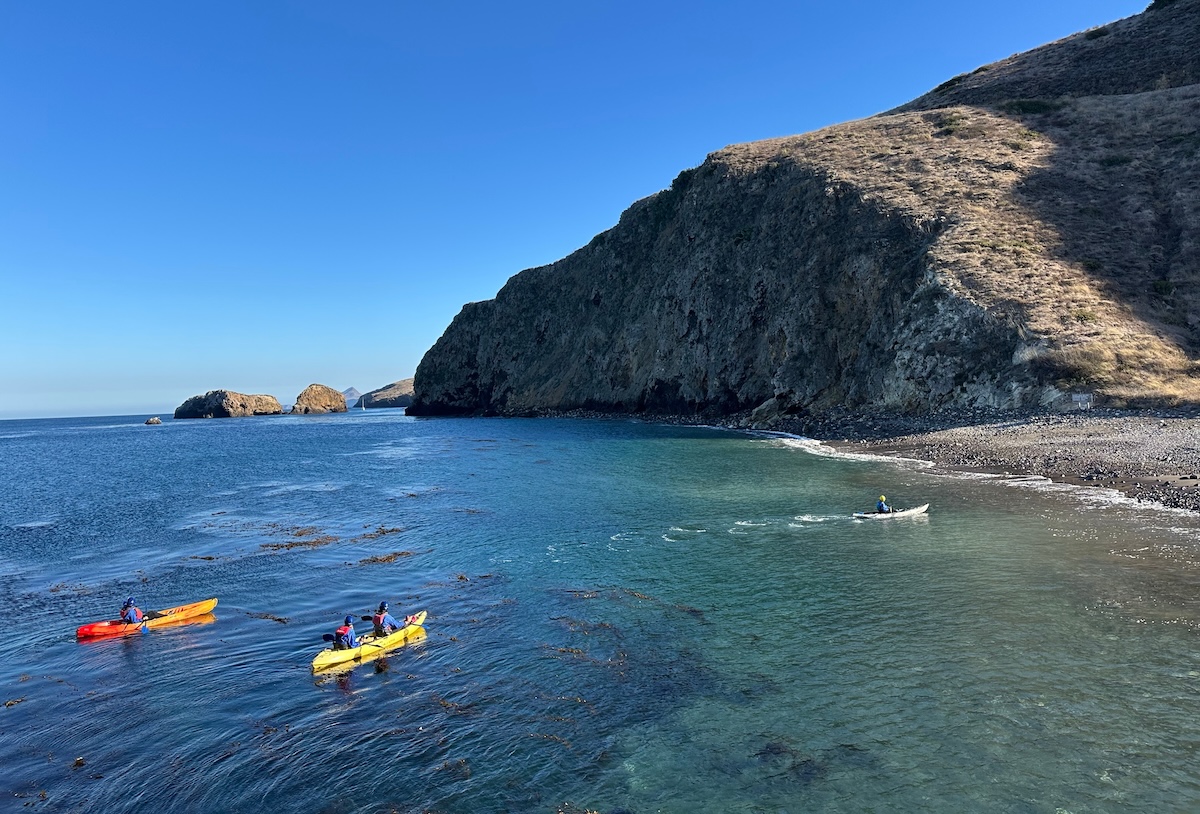
Just off Southern California’s coast, five wild islands float in the Pacific—so close, but they feel a world away. Channel Islands National Park doesn’t pull the crowds that places like Yosemite do. In 2024, only about 262,000 people visited, making it California’s least-visited national park. You’ll need to catch a boat to reach any of the islands, which definitely keeps things peaceful.
Here, you’ll spot wildlife and plants you simply won’t find anywhere else. Think massive sea caves, hiking trails with ocean views, and the chance to see whales as they migrate by. Santa Cruz Island, the biggest of the bunch, even has some of the world’s largest sea caves.
No cars, no stores, no hotels—just you and the wild coast. It’s about as close as you’ll get to seeing what California looked like centuries ago.
12. Wind Cave National Park, South Dakota
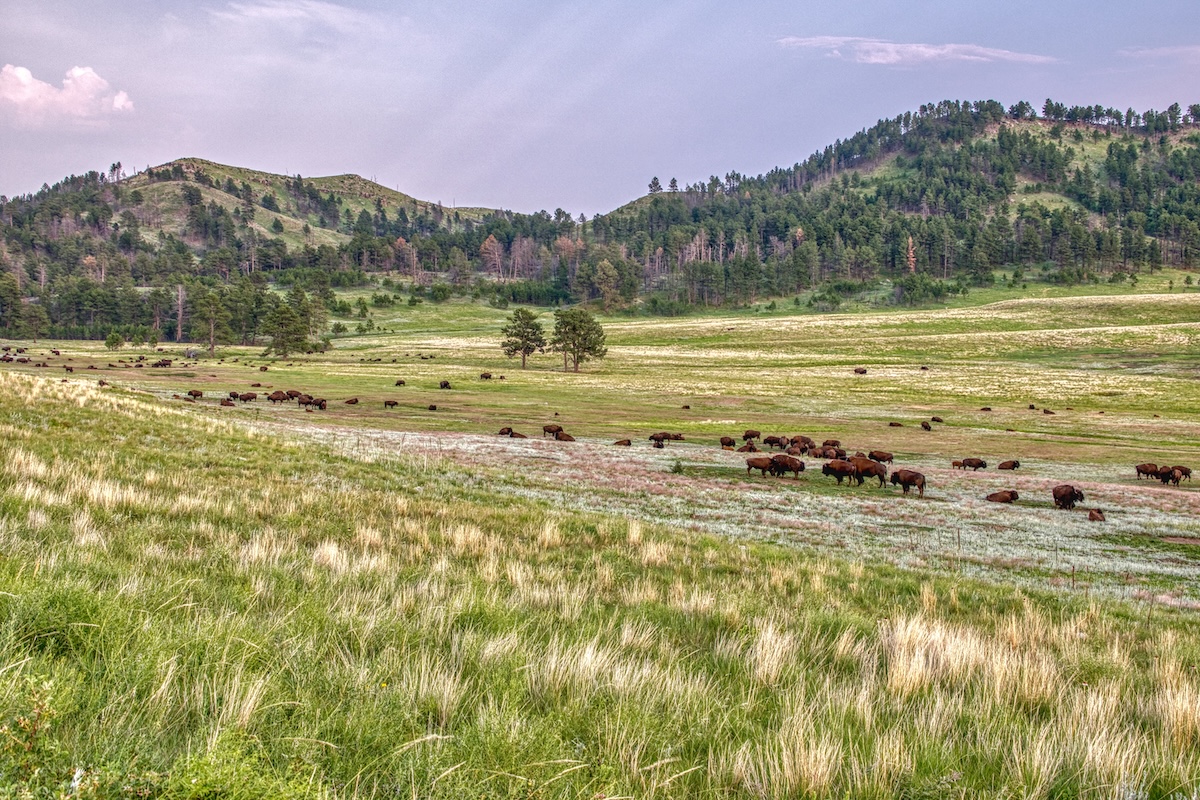
Wind Cave National Park is kind of a two-for-one deal. Underground, you’ve got one of the longest, most intricate cave systems on the planet, packed with these weird, beautiful boxwork formations that look like honeycomb. Up top, bison and elk roam through rolling prairie and pine-covered hills.
This place became the world’s first cave to get national park status, back in 1903. Unlike Mount Rushmore or the Badlands, you won’t find yourself surrounded by crowds.
Set in South Dakota’s Black Hills, about 11 miles north of Hot Springs, the park offers guided cave tours if you’re up for some underground exploring. Above ground, hiking trails zigzag through prairie dog towns, and you might spot pronghorns sprinting across the grass. It’s a bit quirky, a bit wild, and totally worth the trip.

11. Kenai Fjords National Park, Alaska
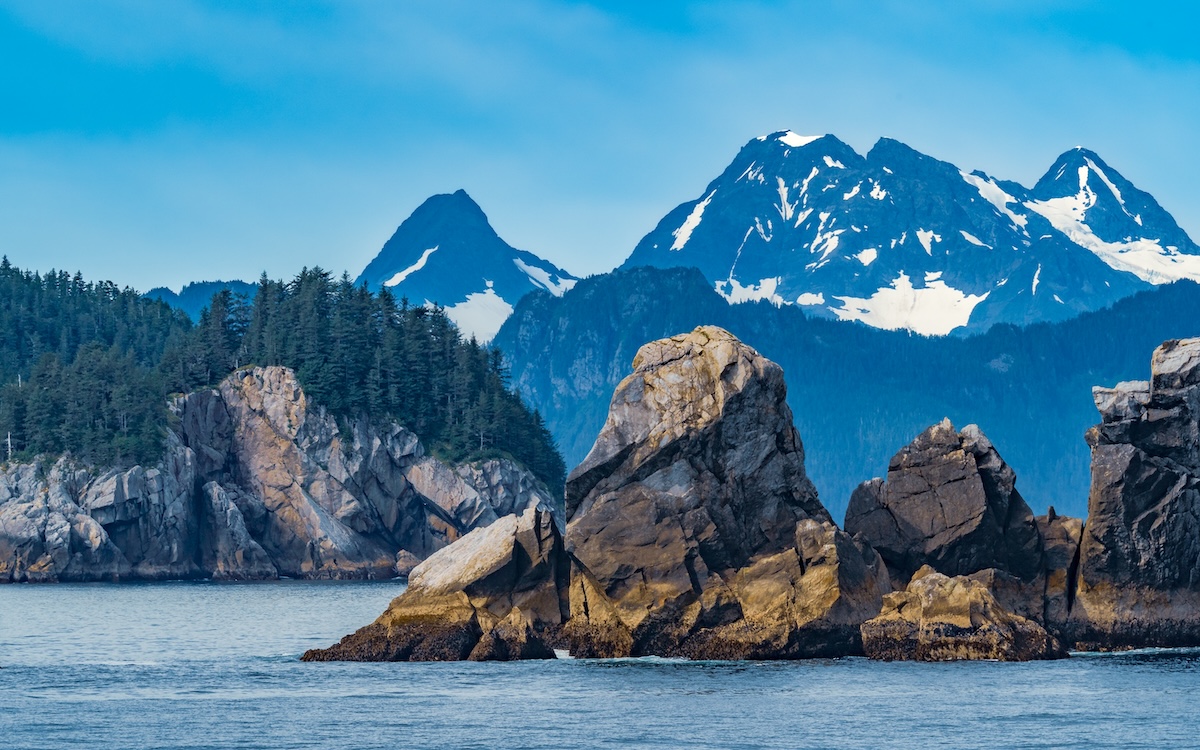
Kenai Fjords National Park sits tucked away in Alaska’s coastal wilderness and, honestly, doesn’t get nearly enough love. Here, massive glaciers carve through the land, deep fjords cut into the coastline, and the Harding Icefield sprawls out like some frozen ocean. Most of the park stays out of reach by road. You can drive up to Exit Glacier, sure, but if you want to see the rest, you’ll need to hop on a boat or lace up for a real hike. Maybe that’s what keeps it feeling wild.
The wildlife? Pretty spectacular. Black bears, mountain goats, moose, bald eagles—sometimes all in one day. Out on the water, whales breach, sea otters float by, and seals pop up like they’re checking on you. Some folks call this the “Norway of America” thanks to those dramatic cliffs and icy blue waters. I can see why.
Even though it’s Alaska’s smallest national park, there’s no shortage of adventure. You can cruise past glaciers, paddle a kayak through the fjords, or tackle tough trails winding through alpine forests. If you’re up for it, this place delivers.
10. Lassen Volcanic National Park, California
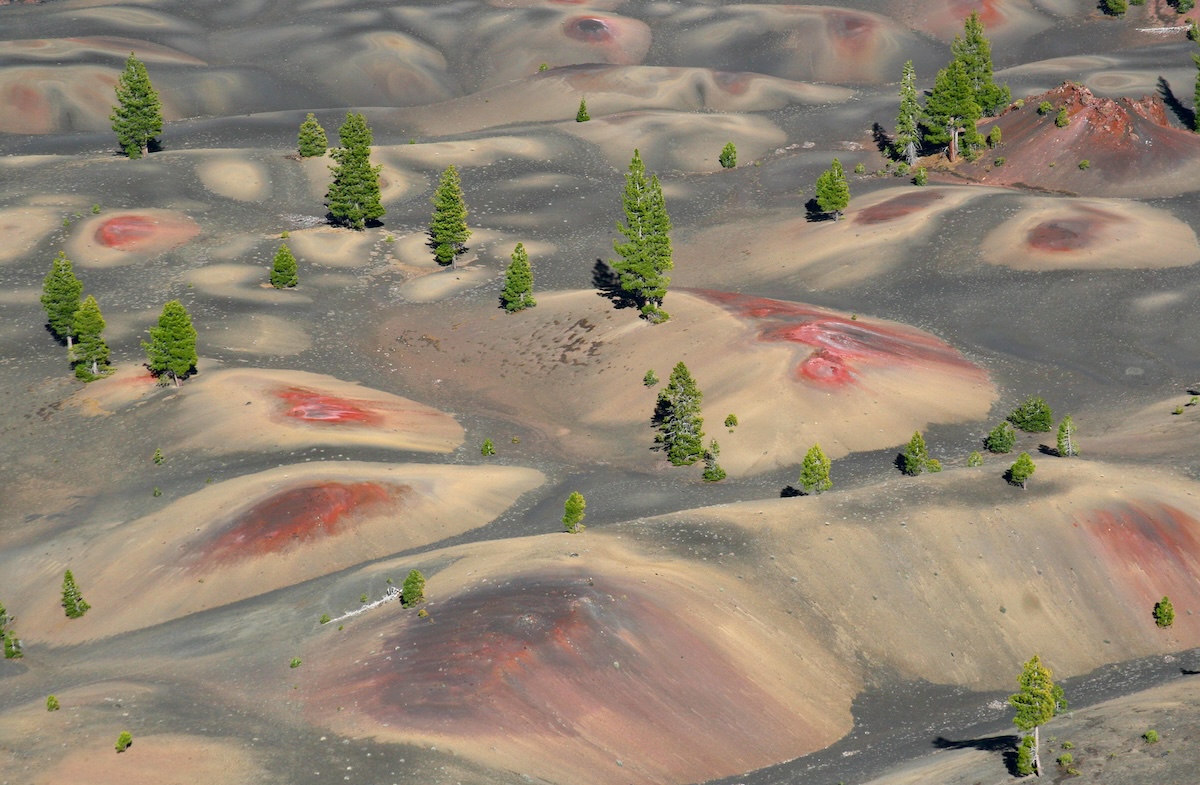
Did you know there are four types of volcanoes? Shield, plug dome, cinder cone, and stratovolcanos. There are only a few places in the world where you can experience all four volcano types in one setting. The Lassen Volcanic National Park is one of them.
It’s located in Northern California and is a real-life geothermal wonderland. It was created in 1916 to protect the area’s unique geothermal features, including boiling springs and fumaroles. Overall, it’s very similar to the landscape of Yellowstone National Park, just with fewer tourists.
The focal point is Lassen Peak, the largest plug-dome volcano in the world. You can hike to its peak, and I recommend doing so in summer, when the meadows explode with colorful wildflowers.
9. Capitol Reef National Park, Utah
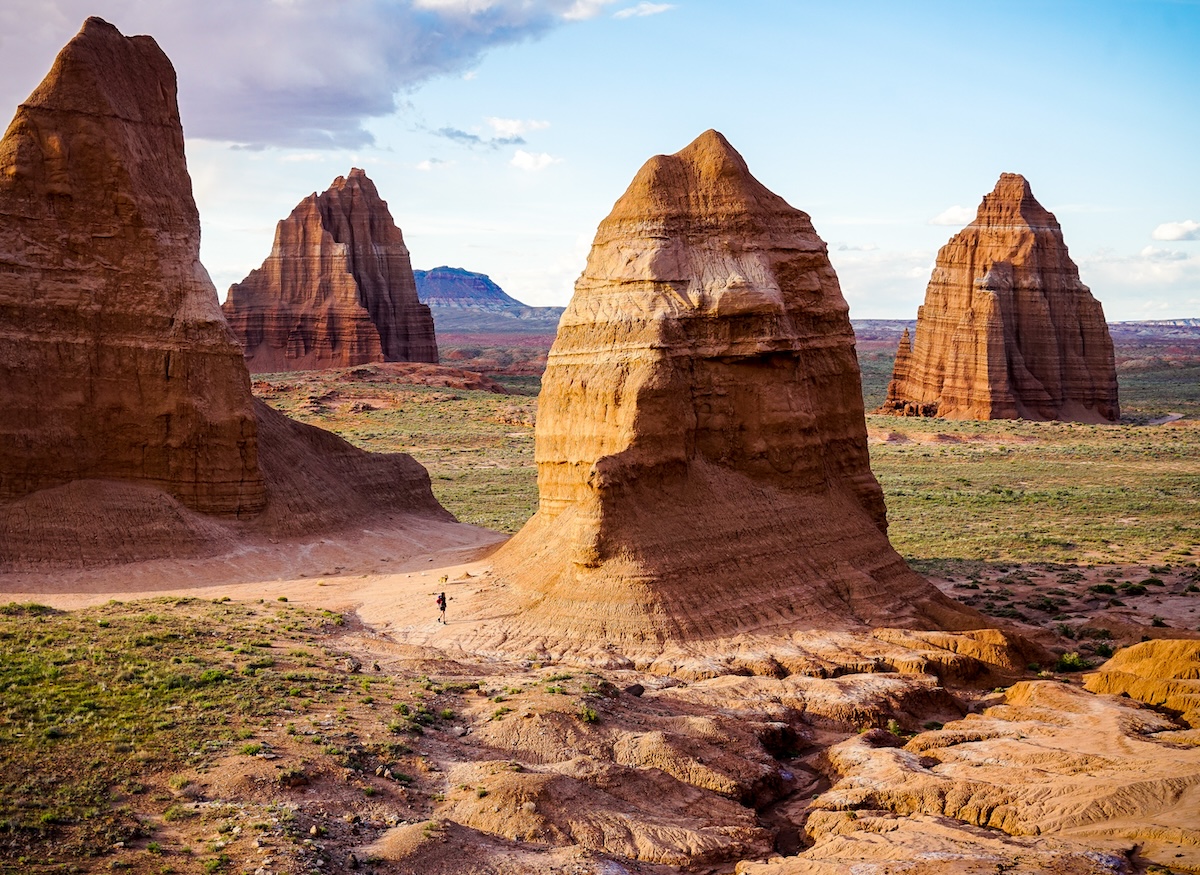
You might be confused about how a national park in the inland state of Utah could have the word ‘reef’ in its name. And you wouldn’t be alone. The park is named after a particularly interesting rock formation, where Navajo sandstone rocks form capitol-like domes.
It’s a bit of a drive from Salt Lake City—around 220 miles south—but totally worth the adventure. The main feature of the park is the Waterpocket Fold, a nearly 100-mile-long warp in the earth’s crust. Before visiting, I recommend doing some research into this interesting geological zone.
8. Voyageurs National Park, Minnesota
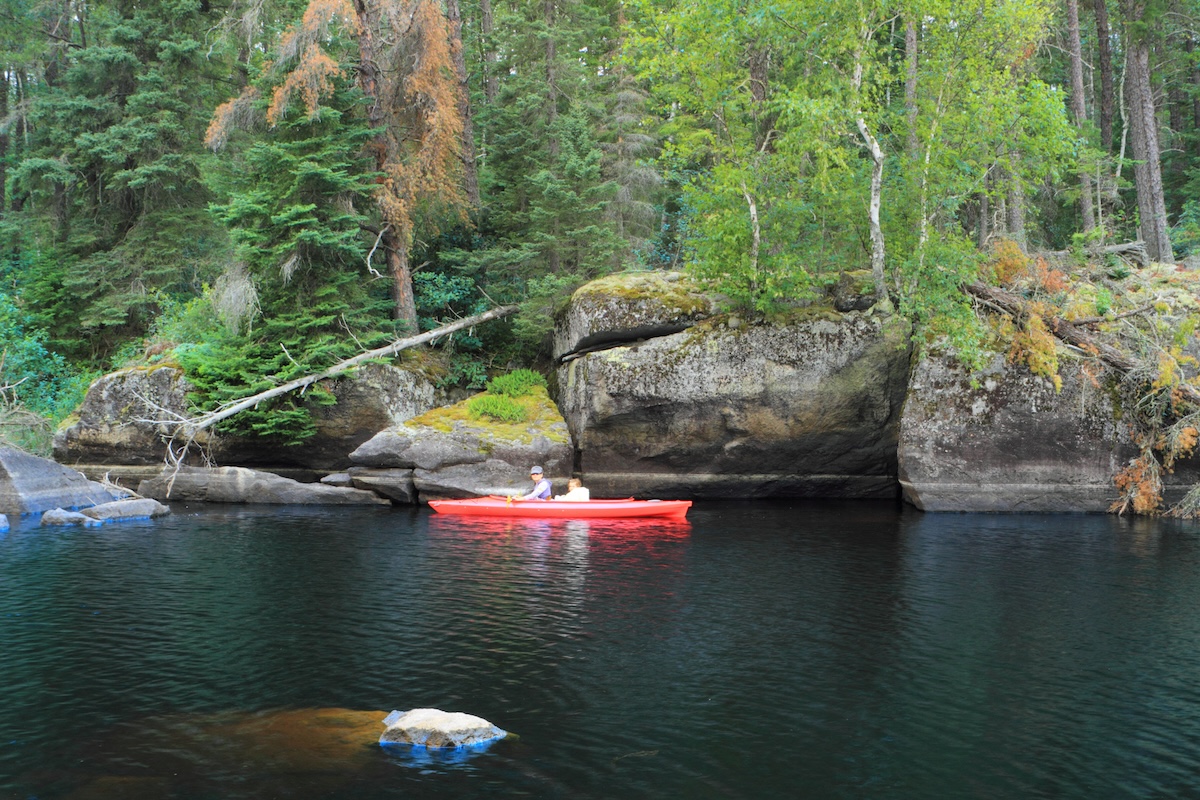
Voyageurs National Park is a water-based region located along the US-Canadian border. It consists of more than 500 islands and countless coves and waterways. Spread over 218 thousand acres, the park boasts incredible lakes, forests, and streams. It’s got just about every type of northern landscape within its boundaries.
It’s named after the French-Canadian voyageurs who would travel along these waterways in the 18th and 19th centuries during the fur trade era. Today, you can camp, kayak, hike through winter trails, and even volunteer at the research and historical sites at the park. If you plan your trip during winter, you might even be able to catch a glimpse of the Northern Lights.
7. Dry Tortugas National Park, Florida
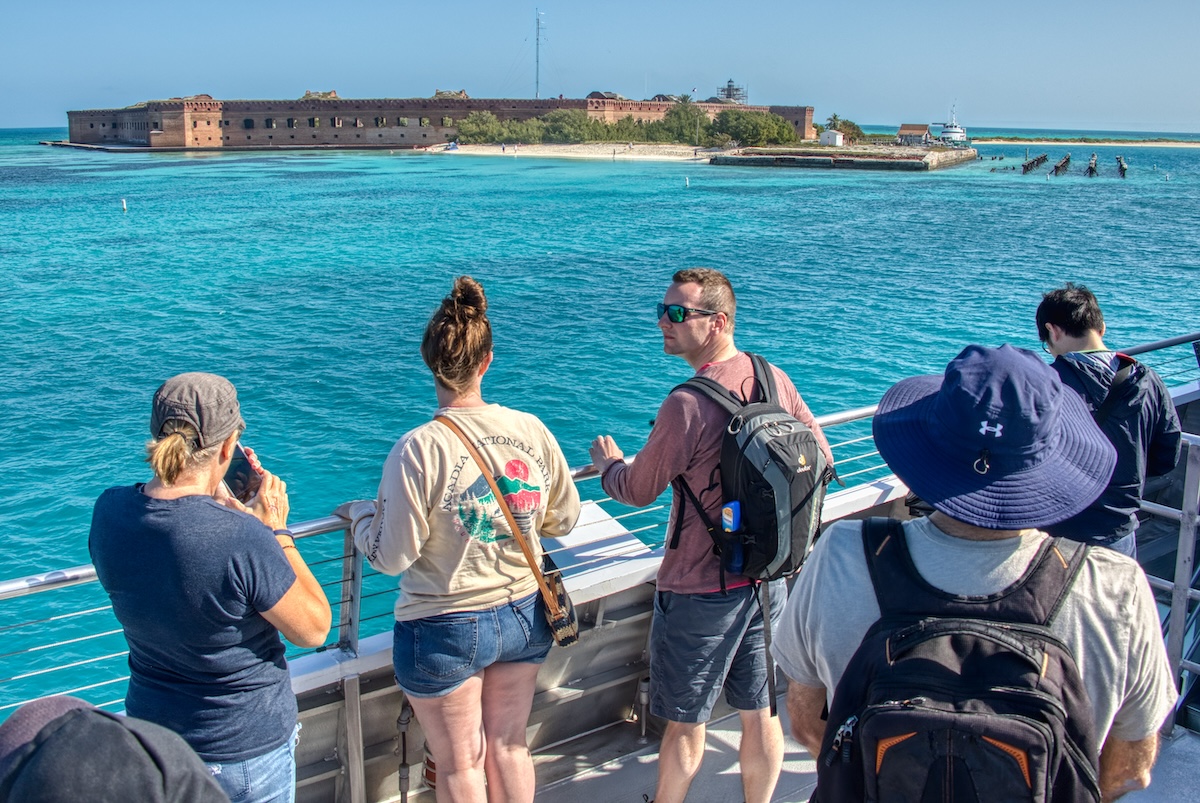
Dry Tortugas is one of those rare national parks created to protect the coral reefs and marine life in the Gulf of Mexico. Located off the coast of Florida, it protects a seven-key archipelago, of which 99% of the area is underwater.
When you aren’t exploring the park with a snorkel on, there is also a campground, a historic military building, and a few pristine beaches worth checking out.
Among the sea life, the park puts emphasis on protecting its turtle population, including green, hawksbill, leatherback, and loggerhead turtles. In fact, the area was named back in 1513 after the abundance of turtles that lived here.
6. North Cascades National Park, Washington
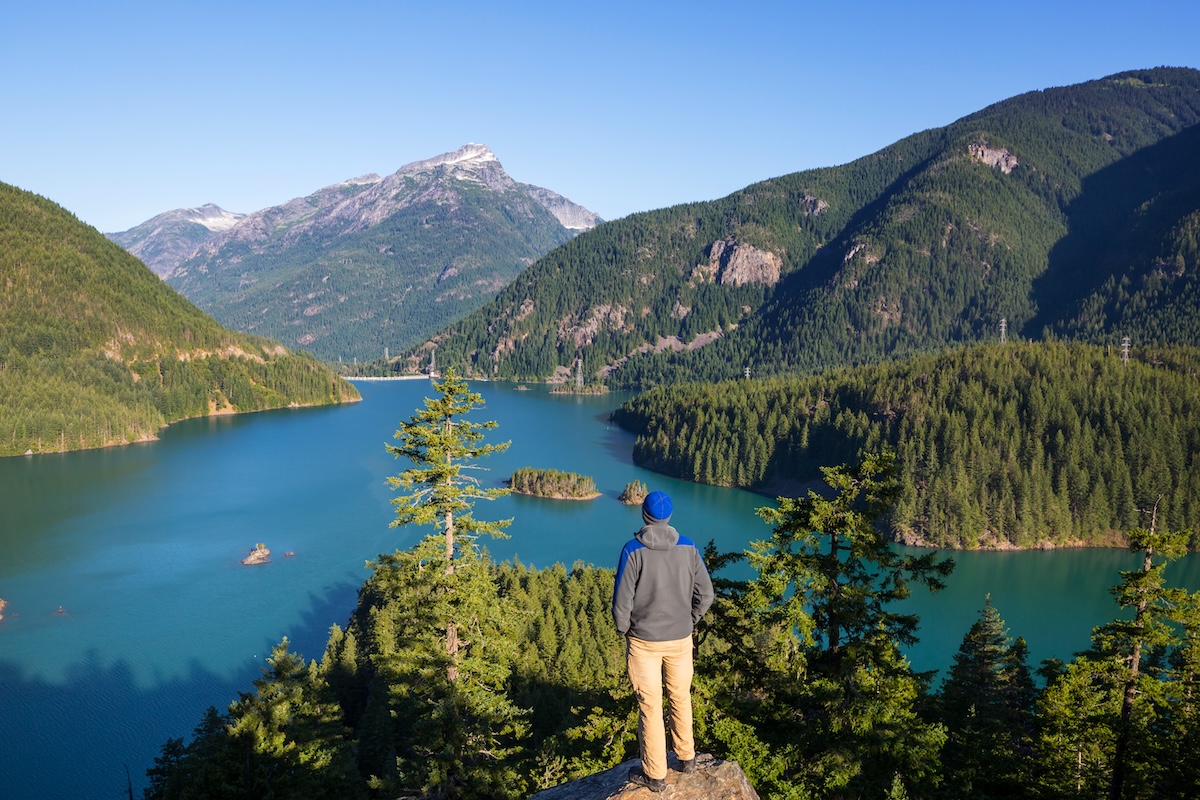
When you look at pictures of the North Cascades National Park, you’ll hardly believe it continually ranks among the least visited in the country. This is partly thanks to the fact that visitors need to hike to see the most impressive features of the park – Ross Lake and Lake Chelan.
But for those who are up for a hike with a rewarding view, there are over 400 miles of trails to explore. The trails wind through dense forests, alpine lakes, and more than 300 named glaciers. It’s even been called ‘the Alps of America.’ Those willing to hike will be thankful for the limited road accessibility!
5. Isle Royale National Park, Michigan
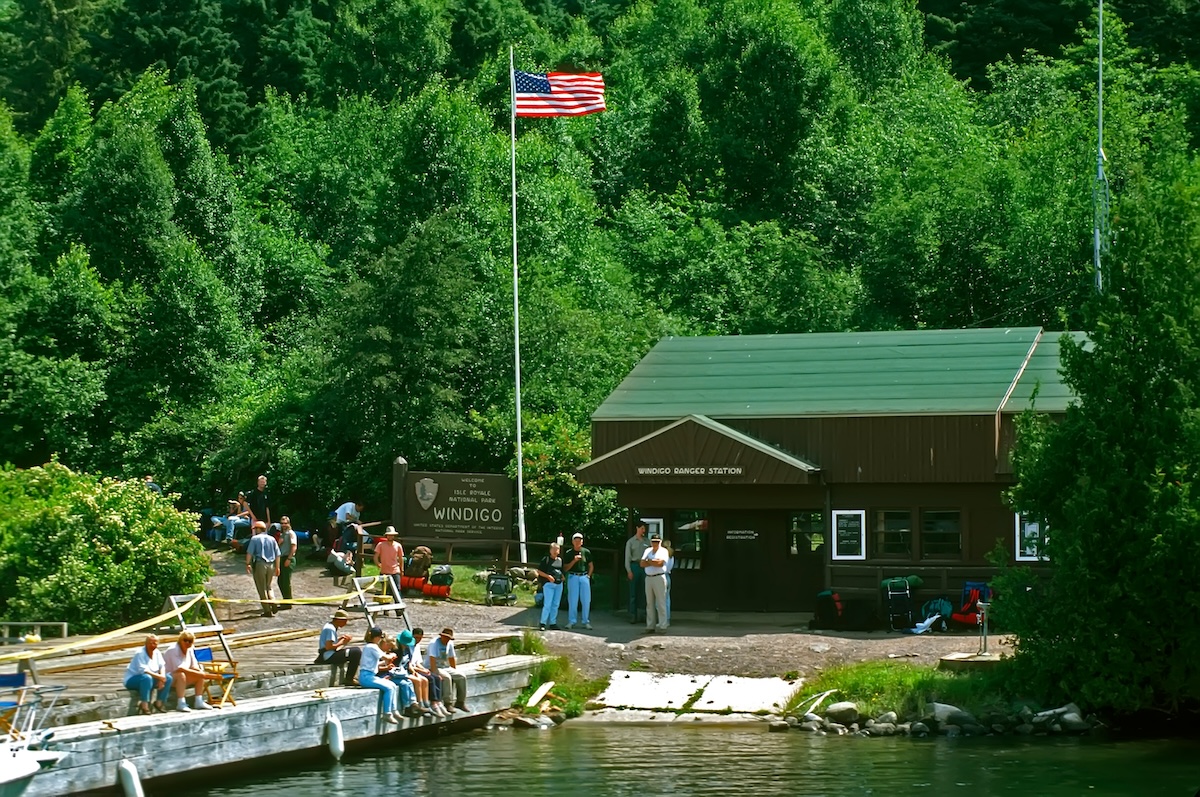
Isle Royale National Park is located right in the middle of Lake Superior in Michigan, just off the U.S.-Canadian border. It’s only accessible by boat or seaplane from Michigan or Minnesota, which means it costs quite a bit to get there. However, those willing to make the investment are rewarded with experiencing one of the least populated national parks in the U.S.

The park was founded in 1940 to protect the unique wilderness on the islands and the marine life in the surrounding waters. The area includes 450 islands, more than 160 miles of wilderness hiking trails, lighthouses, and shipwrecks. It’s one of the most remote places to visit, and there are plenty of campgrounds for those looking for a truly off-the-beaten-path experience.
4. Congaree National Park, South Carolina
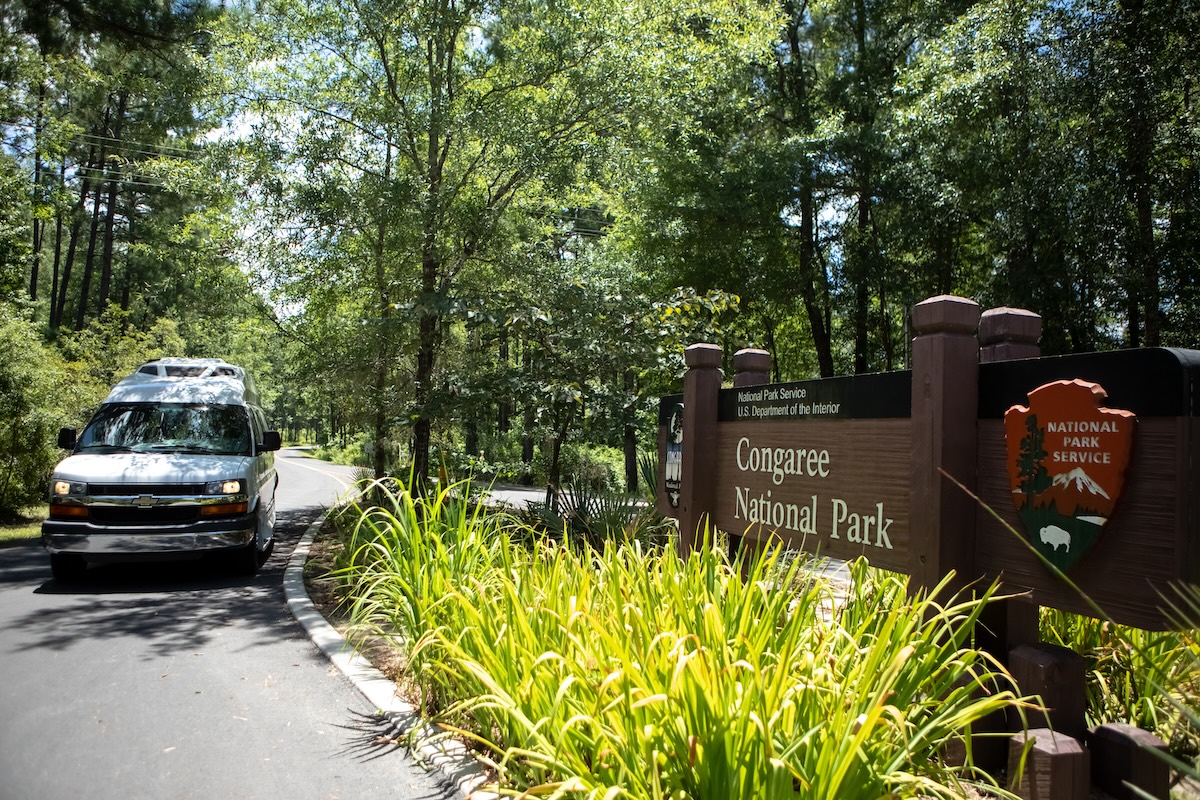
Congaree National Park was founded to protect the largest forest of old-growth bottomland hardwood in the southeastern U.S. Every year, a river that runs through the park floods the forest and creates a swampy landscape. The park has been designed so that visitors can explore it by kayak or by walking on raised bridges and platforms.
As you might imagine, in a landscape made up mostly of trees and water, this park is a hit with birds. More than 200 species of birds live in the unique floodplain, as well as a bunch of bobcats and deer species.
3. Guadalupe Mountains National Park, Texas
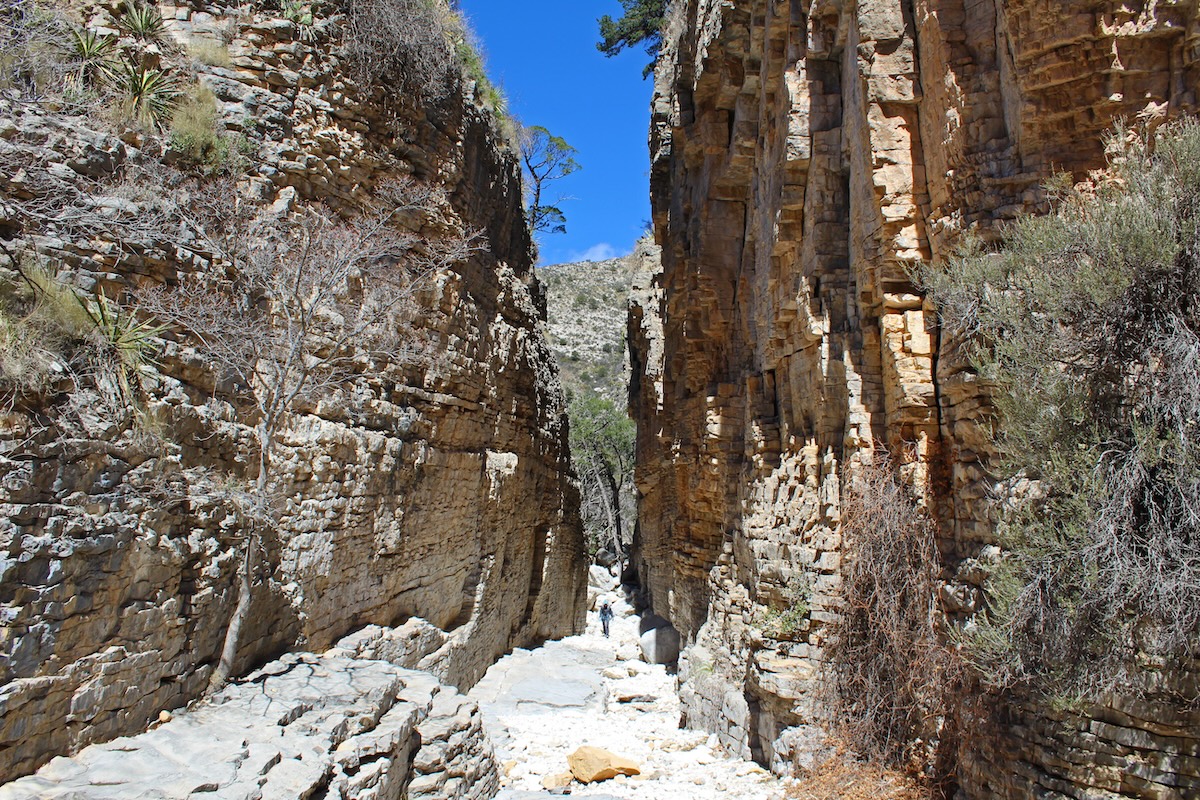
Most national parks in this country are suited for hikers, but Guadalupe Mountains National Park sits a step above the rest. It’s home to four of the highest peaks in Texas, including the famous Guadalupe Peak. Throughout the park, visitors can experience a range of landscapes, from desert lowlands to canyons, dunes, and lush highlands.
The park was established in 1972 to protect an ancient fossilized reef called the Capitan Reef. More than 250 million years ago, this now dry reef was submerged in a tropical ocean.
2. Pinnacles National Park, California
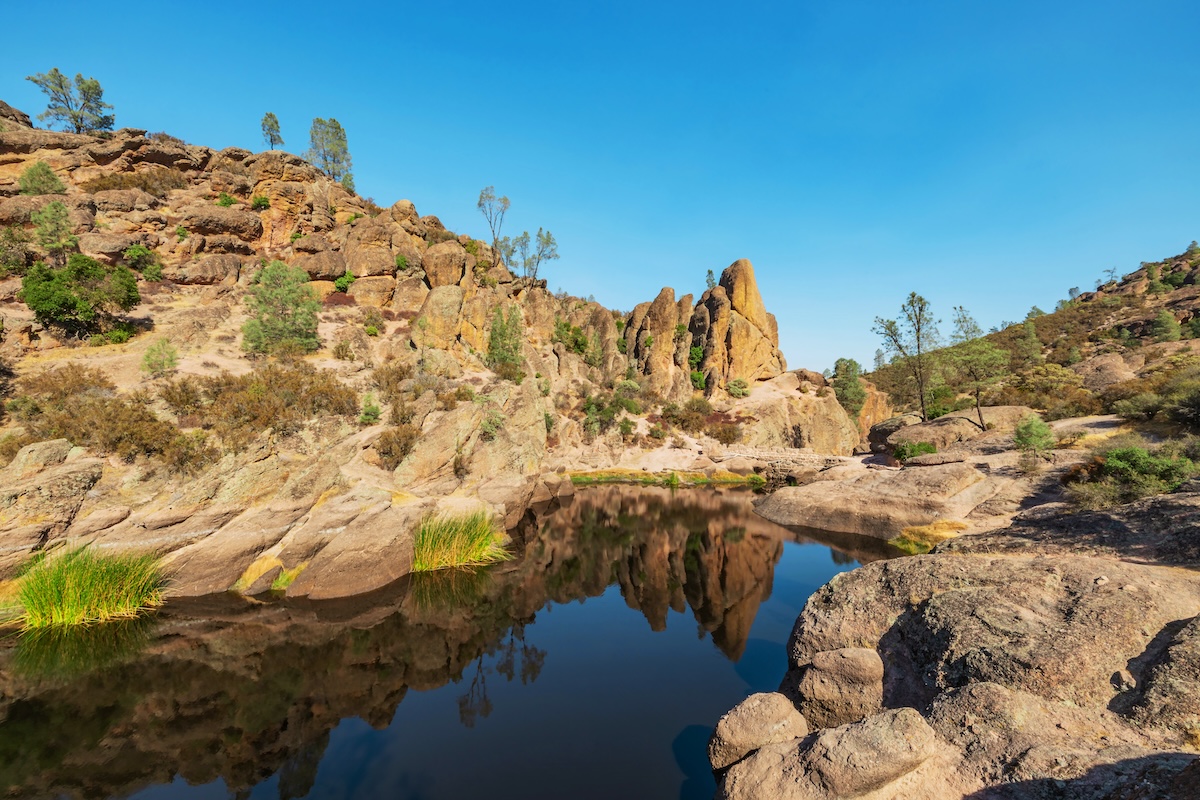
Pinnacles is a bit like a landscape of spires and caves you thought only existed in your wildest dreams. It’s located in central California and is a paradise for rock climbers and hikers. Around 23 million years ago, this landscape was molded by several volcanic eruptions. These powerful blasts left the striking terrain that still exists today.
There are plenty of exciting activities to do at this park, but caving, hiking, and rock climbing are the most popular.
1. Great Basin National Park, Nevada
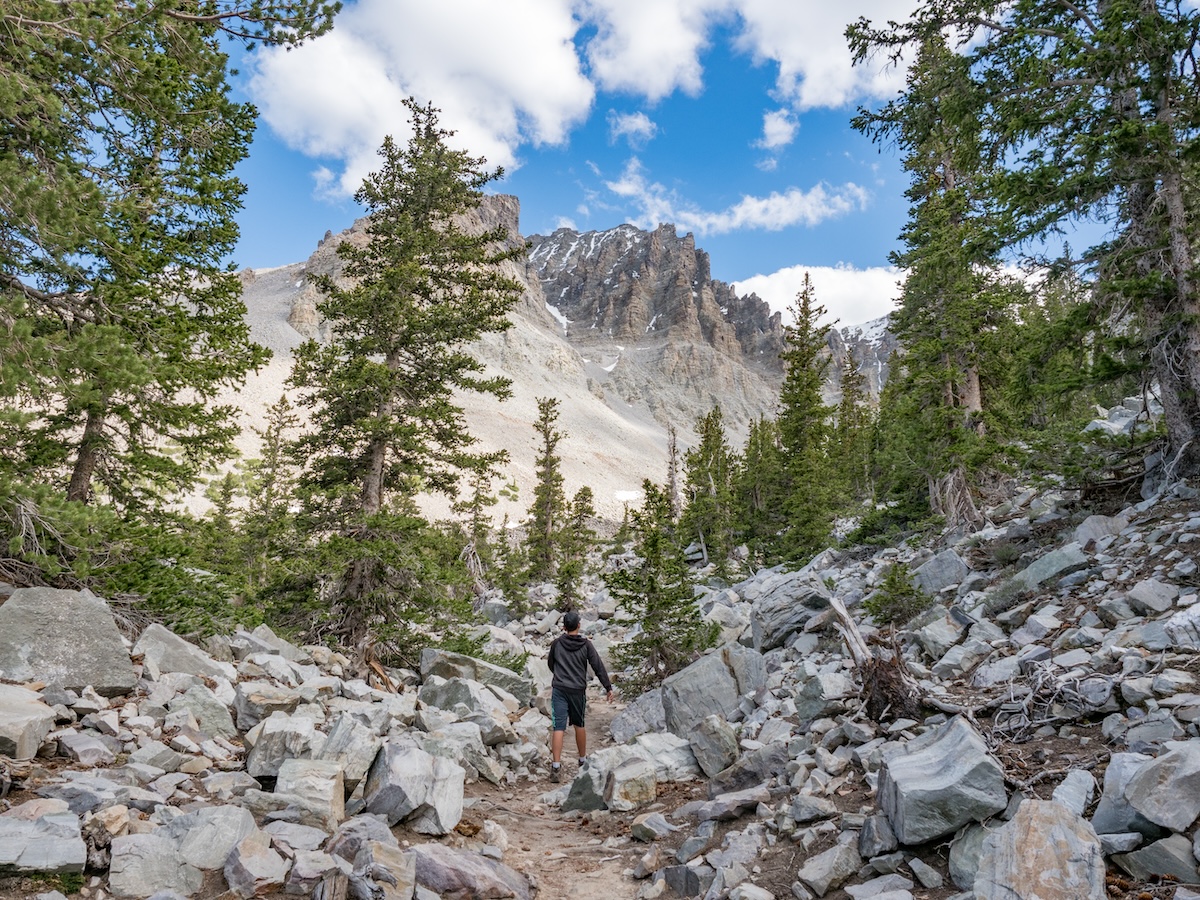
When you think of Nevada, your mind might jump to desert landscapes and Las Vegas. But did you know that this arid state is also home to one of the most exquisite and underrated national parks in the country? Great Basin National Park is where you’ll find the world’s oldest living trees. Remarkably, this enchanting desert landscape features alpine lakes, lush ancient meadows, and the iconic Wheeler Peak.
It’s also considered one of the country’s best ‘dark sky’ locations. This means you can see the Milky Way with the naked eye, without light pollution blurring your vision.