
The American Civil War, which lasted four years in the 1860s, was a conflict between the Union (northern states) and the Confederacy (southern states). It was triggered by President Abraham Lincoln’s election and was the bloodiest conflict ever to occur on American soil.
The war reshaped the U.S. into what we see today, and more than 150 years later, it’s a reminder of one of the most pivotal chapters in American history. It settled the dispute between Union vs State’s rights, abolished slavery, and paved the way for a new political and economic framework.
Civil War Sites aren’t just remnants of the past; they’re reminders of the country’s darkest days and biggest transformations. They tell stories of sacrifice, courage, and a complicated journey to unity.
23. Fort Pulaski National Monument
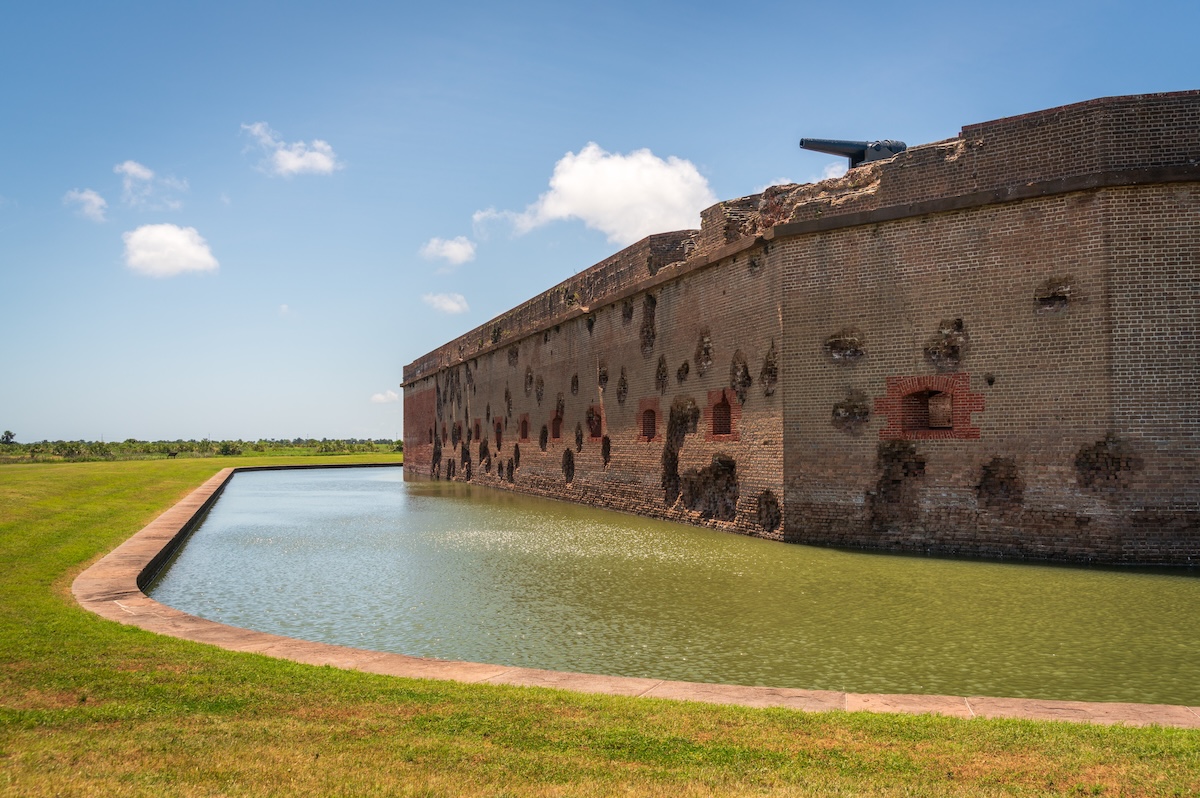
Fort Pulaski sits on Cockspur Island between Savannah and Tybee Island, Georgia. Workers built the fort between 1829 and 1847 to guard Savannah from enemy ships sneaking up the river.
This massive brick fortress looked unbeatable—until the Civil War. In April 1862, Union troops rolled out new rifled cannons and fired from over a mile away.
The battle lasted just two days. When the new cannons blasted through the thick brick walls, Confederate troops surrendered. This fight proved that old brick forts couldn’t handle modern artillery anymore.
If you go today, you can cross the moat, walk the ramparts, and see the scars from those 1862 cannon blasts still in the walls.
22. Monocacy National Battlefield
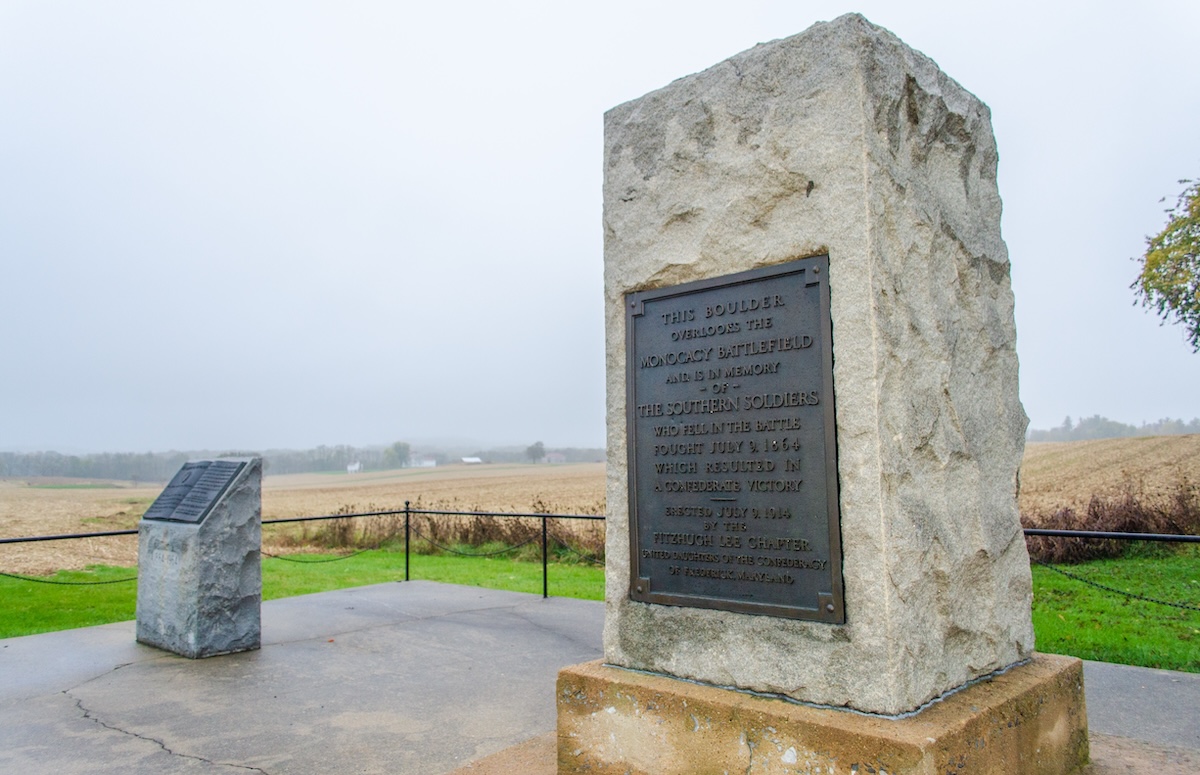
This battlefield sits southeast of Frederick, Maryland, where the Monocacy River winds through farmland and woods. Here, Union and Confederate forces fought on July 9, 1864. Confederate troops took the field that day, but the win came at a cost. Union soldiers, outnumbered three to one, dug in along the riverbanks and managed to slow the Confederate advance. That delay gave Washington, DC time to get reinforcements.
Confederates had bigger plans that summer—they wanted to capture the capital and shake up the 1864 election. Visiting this battlefield makes it clear how this overlooked fight actually saved Washington from falling.
The National Park Service has kept up the site since 1934, so you can still walk the same ground where soldiers struggled more than 160 years ago.
21. Savannah Historic District
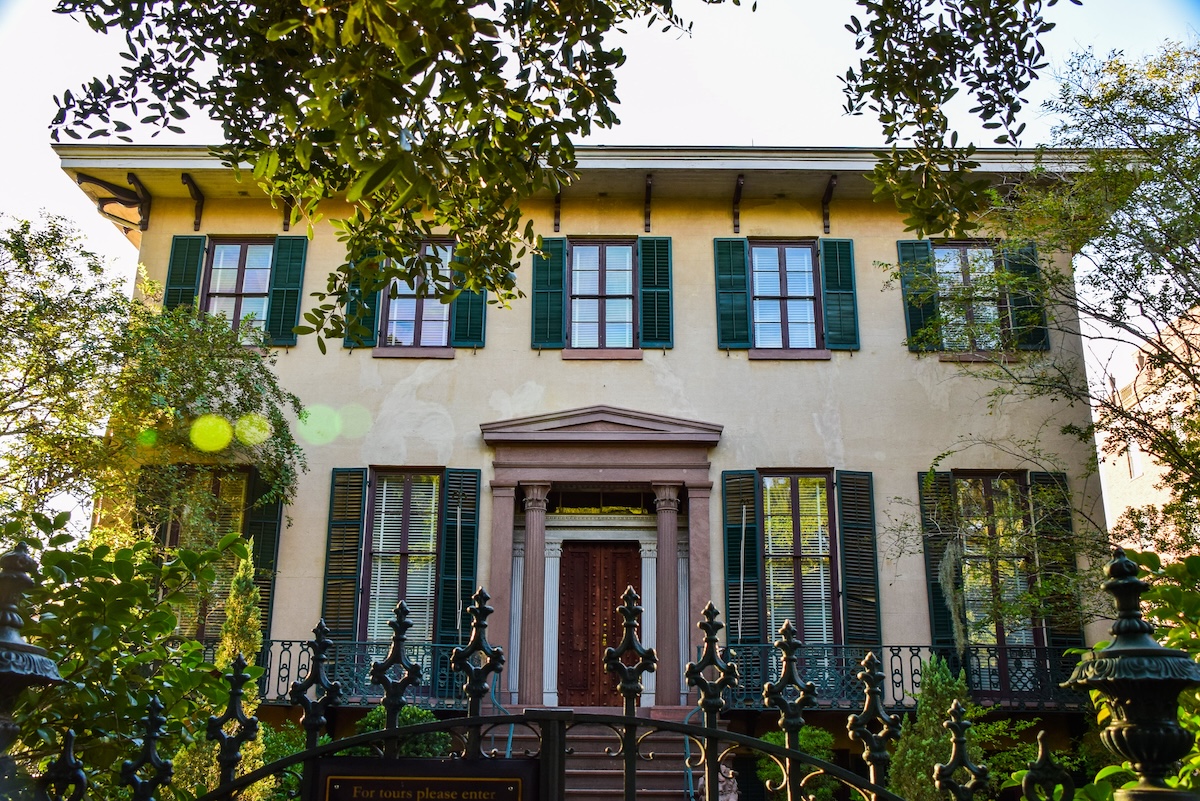
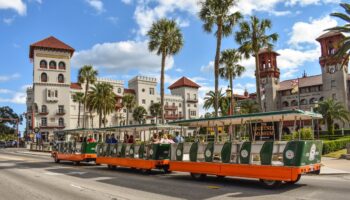
One of the most fascinating Civil War destinations sits right in Savannah’s Historic District. The city was a major Confederate port and railroad center. When Union General William Sherman finished his March to the Sea in December 1864, he spared Savannah and supposedly offered it as a Christmas gift to President Lincoln.
If you stroll through the district now, you’ll see antebellum homes and buildings that survived the war. The Green-Meldrim House served as Sherman’s headquarters after the Union victory. You’ll get a sense of how this coastal city functioned as a strategic spot for both sides during the war.
The district’s streets echo stories of blockade runners, occupation, and eventual surrender. Visiting here connects you with the events that shaped this Southern port city during one of America’s darkest times.
20. Stones River National Battlefield
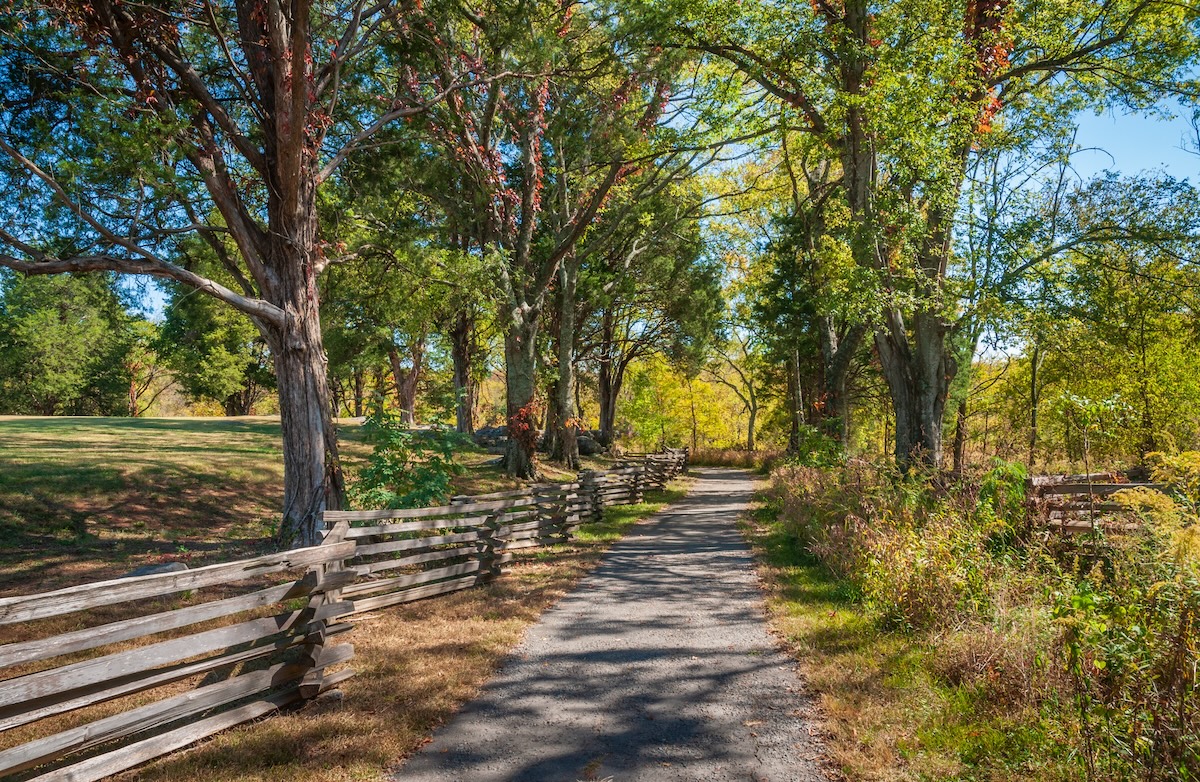
Stones River National Battlefield in Murfreesboro, Tennessee, preserves one of the Civil War’s bloodiest fights. The battle raged for three days, from December 31, 1862, to January 2, 1863.
About 81,000 soldiers battled in the winter cold. The Union gained a key victory and kept control of middle Tennessee.
At the 600-acre park, you can walk the grounds where this pivotal battle unfolded. There’s Stones River National Cemetery, established in 1865, with over 6,000 Union graves. The Hazen Brigade Monument still stands where troops first built it—one of the oldest Civil War monuments left in its original spot.
The battlefield offers exhibits and ranger tours that help you picture what happened during those brutal days. This place left a mark on everyone who fought and lived here.
19. Ford’s Theatre (Washington, D.C.)

Ford’s Theatre opened in 1863, just six blocks from the White House. John T. Ford built this grand three-story theater where a Baptist church had burned down a year earlier.
On April 14, 1865, the theater became the site of a tragedy that still haunts American history. President Lincoln was watching “Our American Cousin” when John Wilkes Booth shot him. This happened just days after the Civil War ended, when the country was finally hoping for peace.
Today, Ford’s Theatre operates as both a working theater and a museum. You can walk through the space where Lincoln spent his final evening. The site includes the theater, a museum about Lincoln’s life, and the Peterson House across the street where Lincoln died the next morning.
18. Harpers Ferry National Historical Park
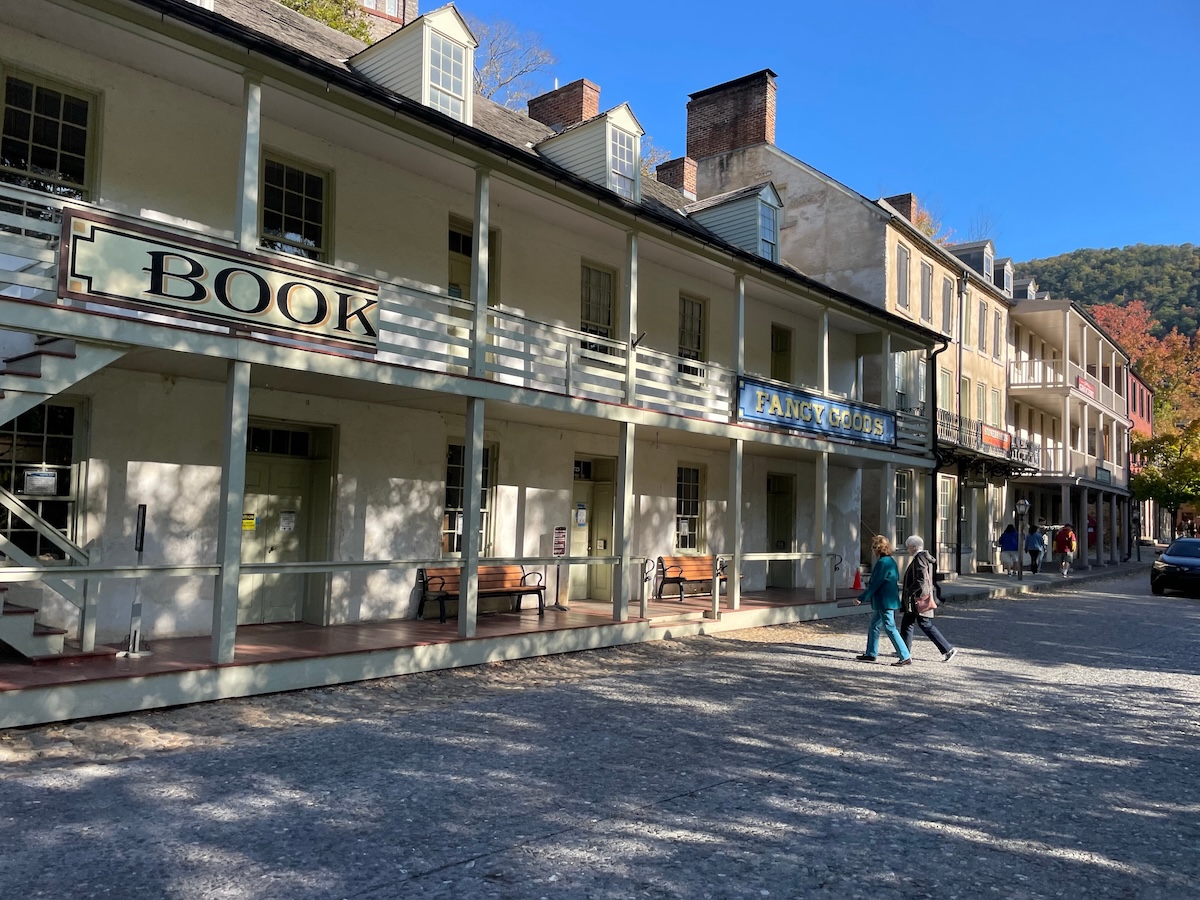
Harpers Ferry sits where the Potomac and Shenandoah rivers meet in West Virginia. The town witnessed some of the Civil War’s wildest moments. John Brown’s 1859 raid on the federal armory here tried to spark an end to slavery and helped push the nation toward war. During the conflict, the town switched hands eight times between Union and Confederate forces.
In 1862, Stonewall Jackson led an attack that caused the largest surrender of US troops during the war. You can visit battle sites at Bolivar Heights and Schoolhouse Ridge where it all unfolded.
The National Park Service has kept the town looking much like it did in the 1800s. You can stroll brick sidewalks past old buildings now filled with museums and exhibits. Trails wind through the heights where soldiers once fought.
17. Richmond National Battlefield Park
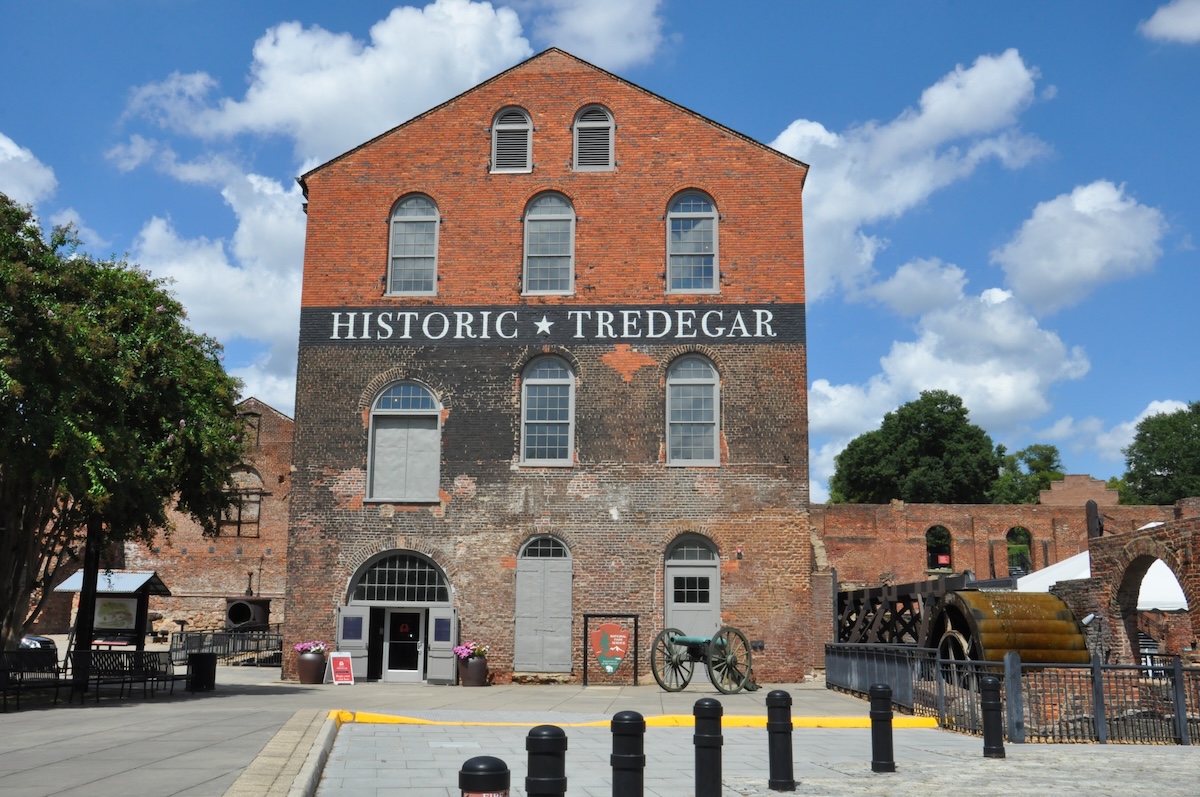
Richmond served as the Confederate capital for most of the Civil War, so Union forces went after it again and again from 1861 to 1865. The park protects 13 historic sites across the Richmond area. You can visit major battlefields like Gaines’ Mill, Malvern Hill, and Cold Harbor, where some of the war’s fiercest fighting erupted.
Start at the Civil War Visitor Center at the old Tredegar Iron Works site. This factory pumped out weapons and supplies for the Confederacy. You’ll also find preserved fortifications, hospital sites like Chimborazo Medical Museum, and hiking trails that follow the same paths soldiers once marched.
16. Atlanta History Center
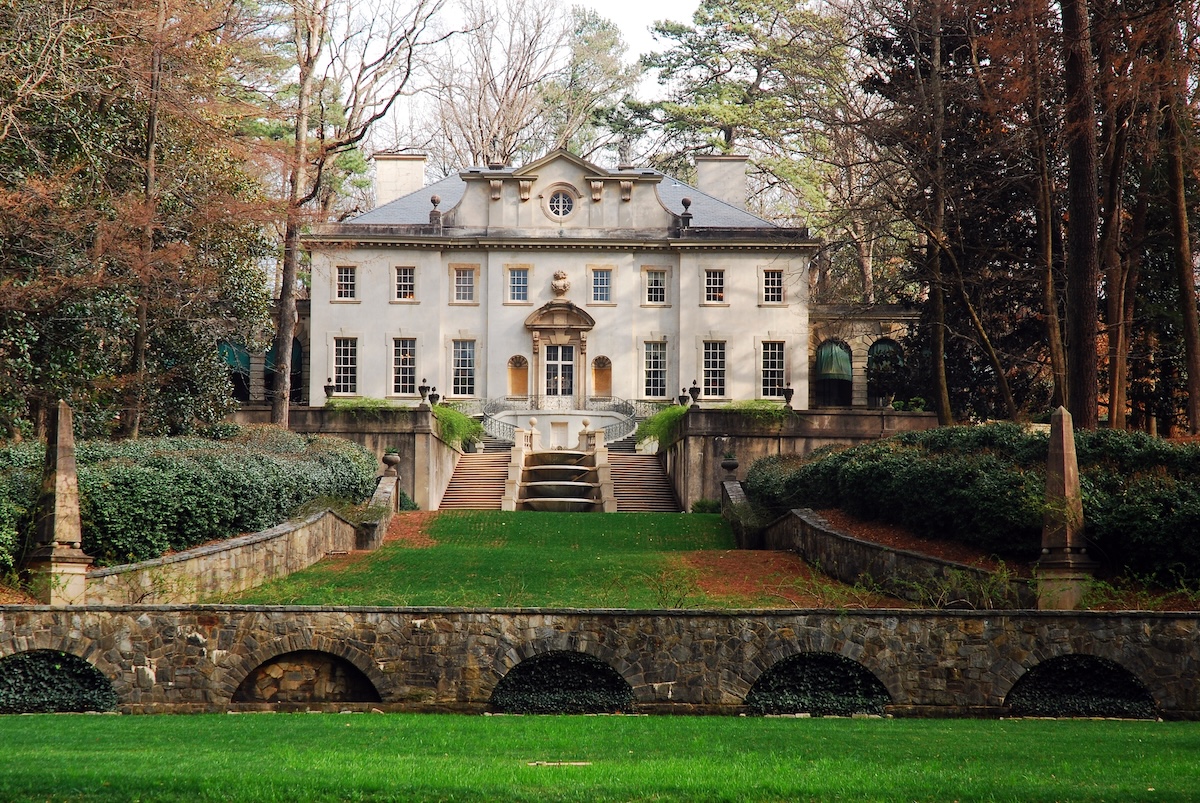
The Atlanta History Center in Buckhead really stands out among Civil War museums. It’s far more than a typical museum—it’s a sprawling complex that covers all kinds of Atlanta history.
The main draw is the permanent exhibit Turning Point: The American Civil War. This exhibit takes you through the war from the perspectives of both soldiers and regular folks who lived through it.
The Center’s Civil War and Military Collection holds about 12,000 artifacts. Roughly ninety percent date back to the actual Civil War years. You’ll see objects from both Union and Confederate forces, since the collection covers the whole country, not just Georgia.
15. Kennesaw Mountain National Battlefield Park
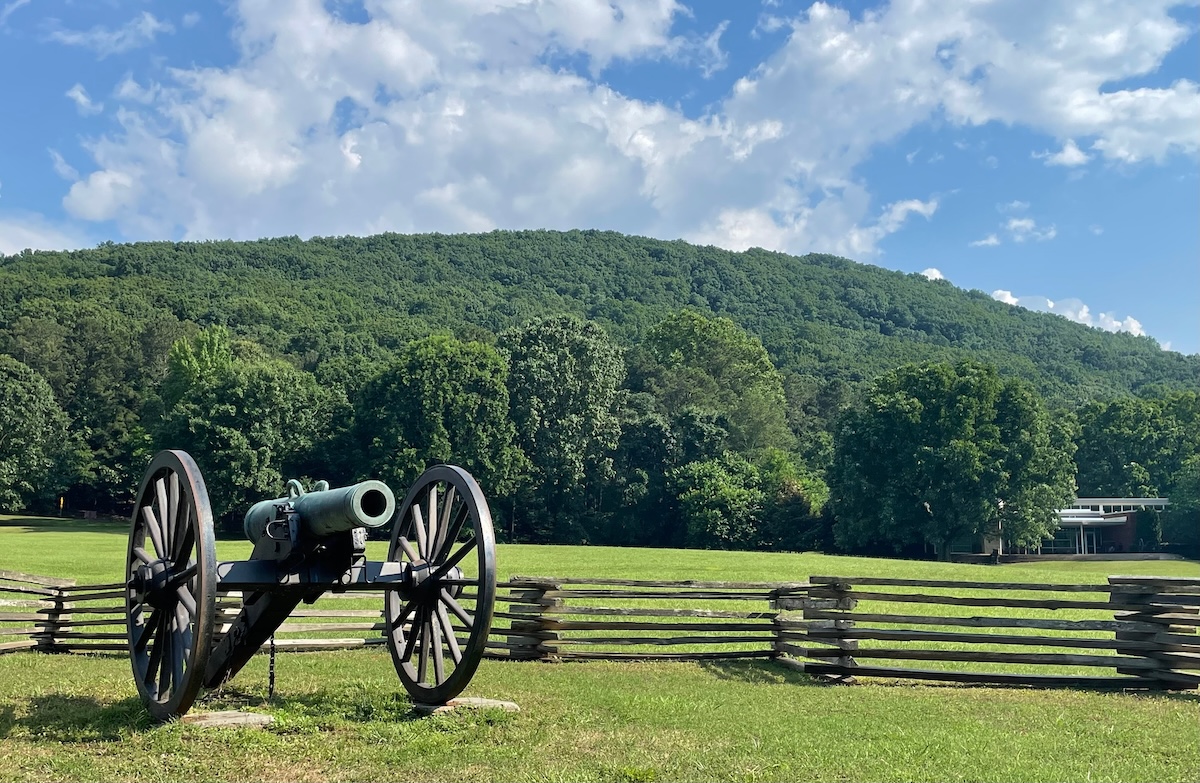
This 2,965-acre battlefield sits between Marietta and Kennesaw, Georgia. Union and Confederate armies clashed here from June 19 to July 2, 1864, during the Atlanta Campaign. The park’s name comes from the Cherokee word “Gah-nee-sah,” meaning cemetery or burial ground. About 160,000 soldiers fought as Sherman’s 100,000-man army pushed toward Atlanta against General Johnston’s 63,000 troops.
There are 22 miles of trails winding through the battlefield. The site preserves one of the bloodiest battles of Sherman’s march. Today, you can walk the same ground where thousands fought and died during those two intense weeks. Kennesaw Mountain became a historic district in 1966, protecting this vital piece of Civil War history.
14. Pea Ridge National Military Park
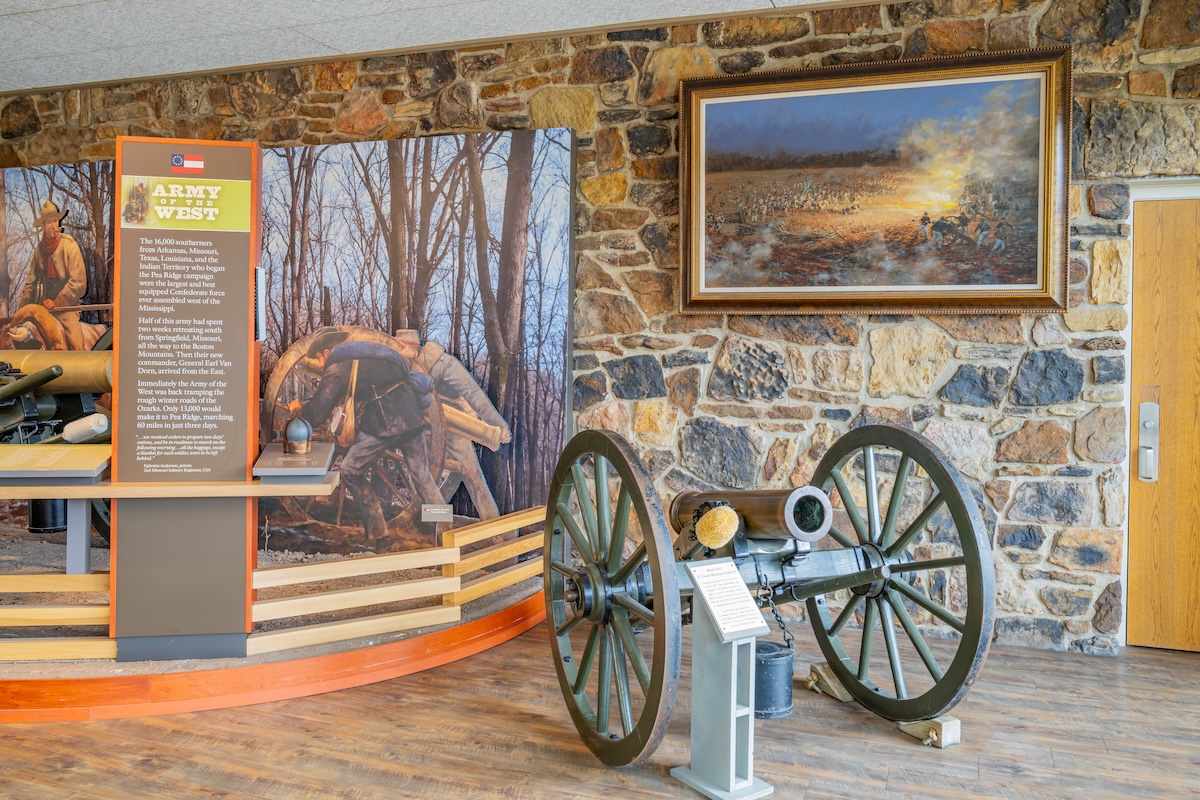
Pea Ridge National Military Park lies in northwest Arkansas, close to the Missouri border. The park covers over 4,300 acres where a major Civil War battle raged on March 7-8, 1862. This fight was a turning point for the Union. More than 23,000 soldiers battled here for control of Missouri and Arkansas. The Union came out on top, helping secure Missouri for their side.
Pea Ridge stands out for how well it’s been preserved. It’s one of the most intact Civil War battlefields in the country. You can drive through, hike, or bike along the trails. The visitor center has a museum and a film about the battle. You can walk the same ground where soldiers fought and see the original earthworks Federal troops built before the shooting started.
13. Wilson’s Creek National Battlefield
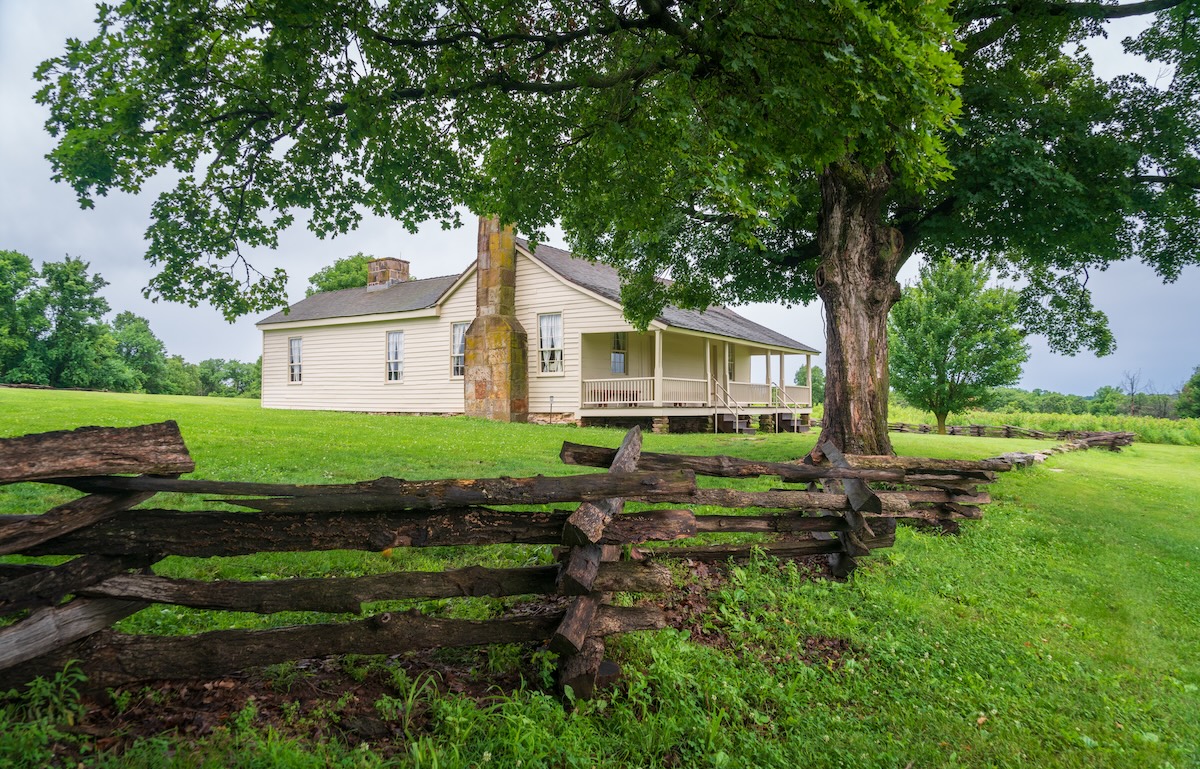
Wilson’s Creek National Battlefield sits near Republic, Missouri, where one of the war’s first big battles west of the Mississippi broke out. On August 10, 1861, Union and Confederate forces clashed in a fight that made people pay attention to the conflict out west.
This battlefield is surprisingly well-preserved. The park protects the ground where about 5,400 Union troops under General Nathaniel Lyon faced over 10,000 Confederates. The Confederates won, but both sides paid a heavy price.
You can follow a five-mile tour route with eight stops at key battle spots. There’s also a Civil War museum that helps you get the full story. This battle pushed the federal government to send more military support to Missouri.
12. Petersburg National Battlefield
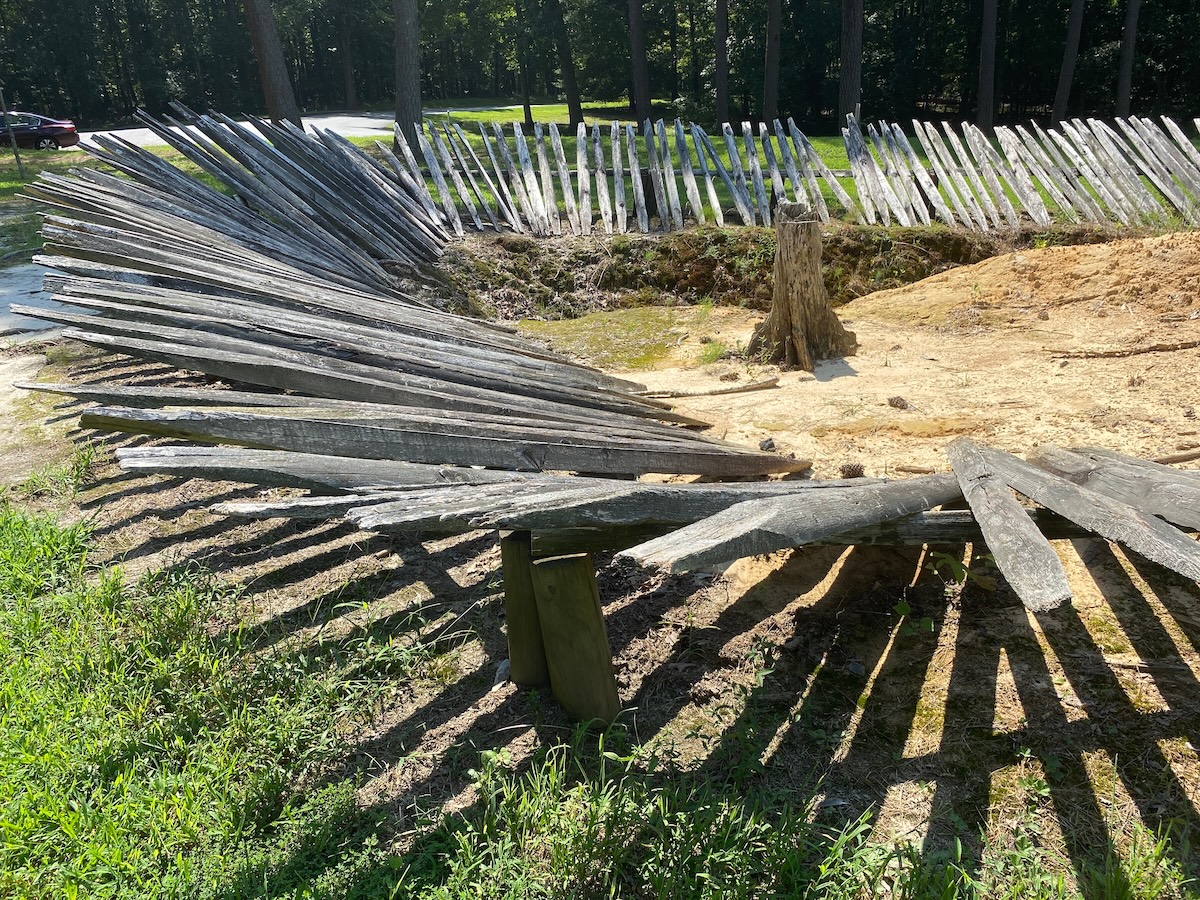
Petersburg National Battlefield sits near Petersburg, Virginia, about 25 miles south of Richmond. The park covers more than 2,700 acres of battlefields, trenches, and historic buildings. The Siege of Petersburg lasted 292 days, from June 1864 to April 1865. That’s nearly ten months of brutal fighting between Grant and Lee. Over 70,000 soldiers became casualties during this campaign.
You can explore the battlefield on a 33-mile driving tour linking 16 different stops across four main areas. The park became a National Military Park in 1926 and now draws over 140,000 visitors each year.
Petersburg was vital because it controlled the supply lines feeding Richmond, the Confederate capital. When Petersburg fell, Richmond collapsed soon after, and the war ended.
11. Fredericksburg and Spotsylvania National Military Park
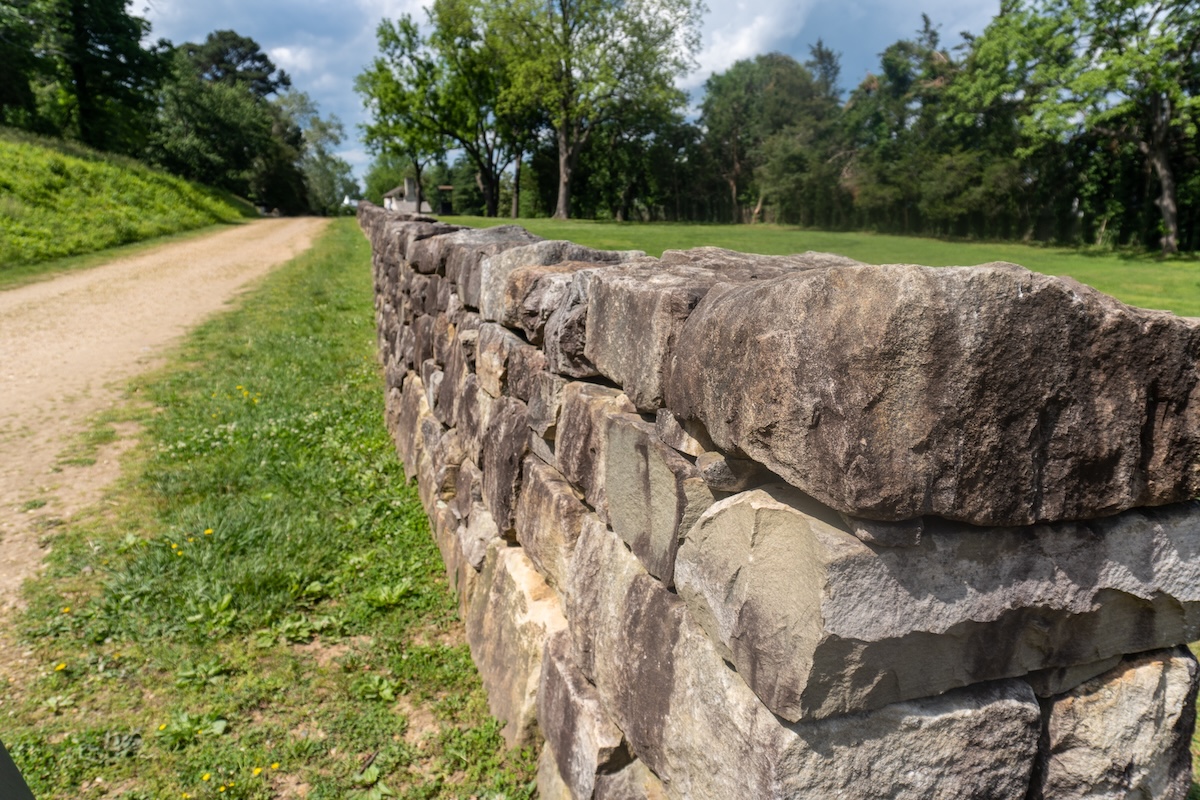
This site in central Virginia protects four major battlefields: Fredericksburg, Chancellorsville, the Wilderness, and Spotsylvania Court House. The fighting here was fierce. Over 85,000 soldiers were wounded and 15,000 killed. Most of the dead were buried in unmarked graves.
The park was established on February 14, 1927. Its full name—Fredericksburg and Spotsylvania County Battlefields Memorial National Military Park—is actually the longest park name in the whole national park system.
If you visit, you’ll see the war’s impact everywhere. Fredericksburg was bombarded and looted. Farms were destroyed. Thousands became refugees. The Fredericksburg National Cemetery holds over 15,000 soldiers who died during the war.
10. Manassas National Battlefield Park
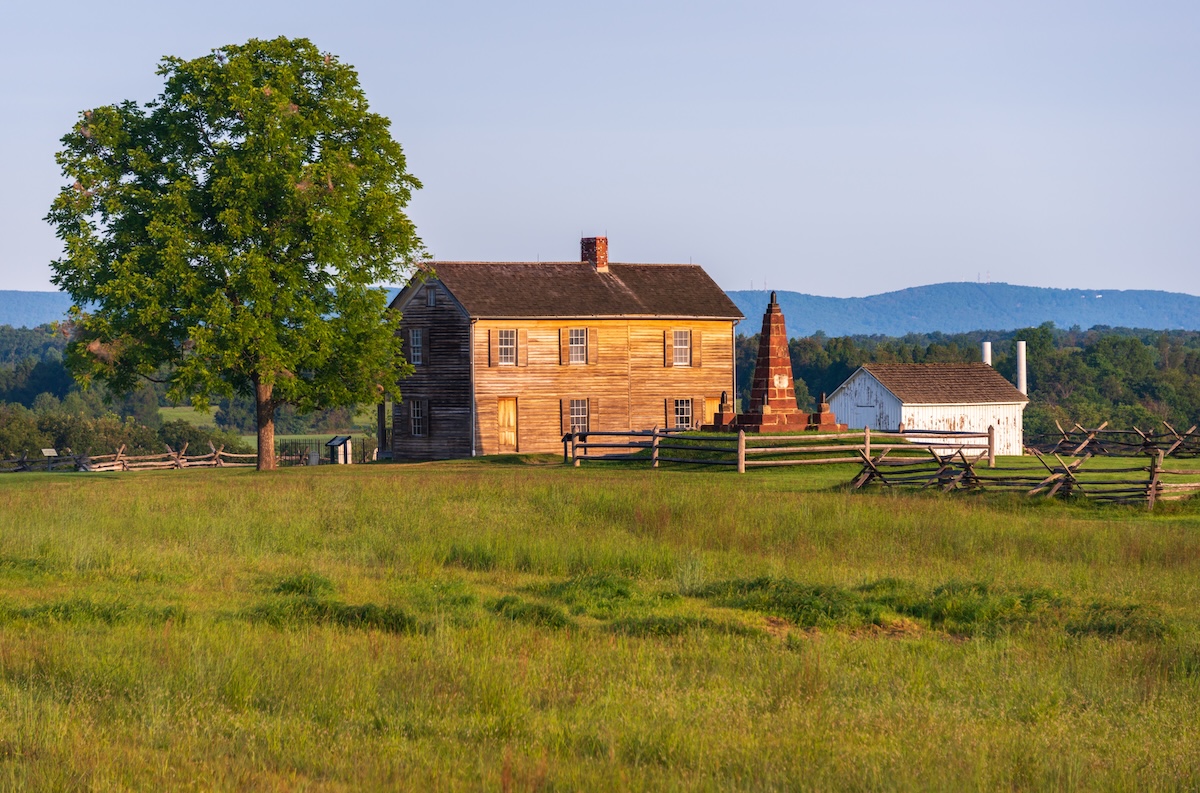
This park sits in Prince William County, Virginia, just north of Manassas. It protects the ground where two major Civil War battles unfolded. The First Battle of Bull Run happened here on July 21, 1861—the war’s first big land battle. Both armies lacked experience, but the Confederates pulled off a win and pushed Union forces back. That fight crushed any hope for a quick war.
The Second Battle of Bull Run came later, from August 28-30, 1862. Once again, the Confederates came out on top, hitting their high point during the war.
If you visit, you can hop on an auto tour that winds through both battlefields. The park doesn’t have as many monuments as other Civil War sites, since it became a national park more recently. That means you get a more open view of the terrain where soldiers actually fought—which, honestly, feels pretty powerful.
9. Chickamauga and Chattanooga National Military Park
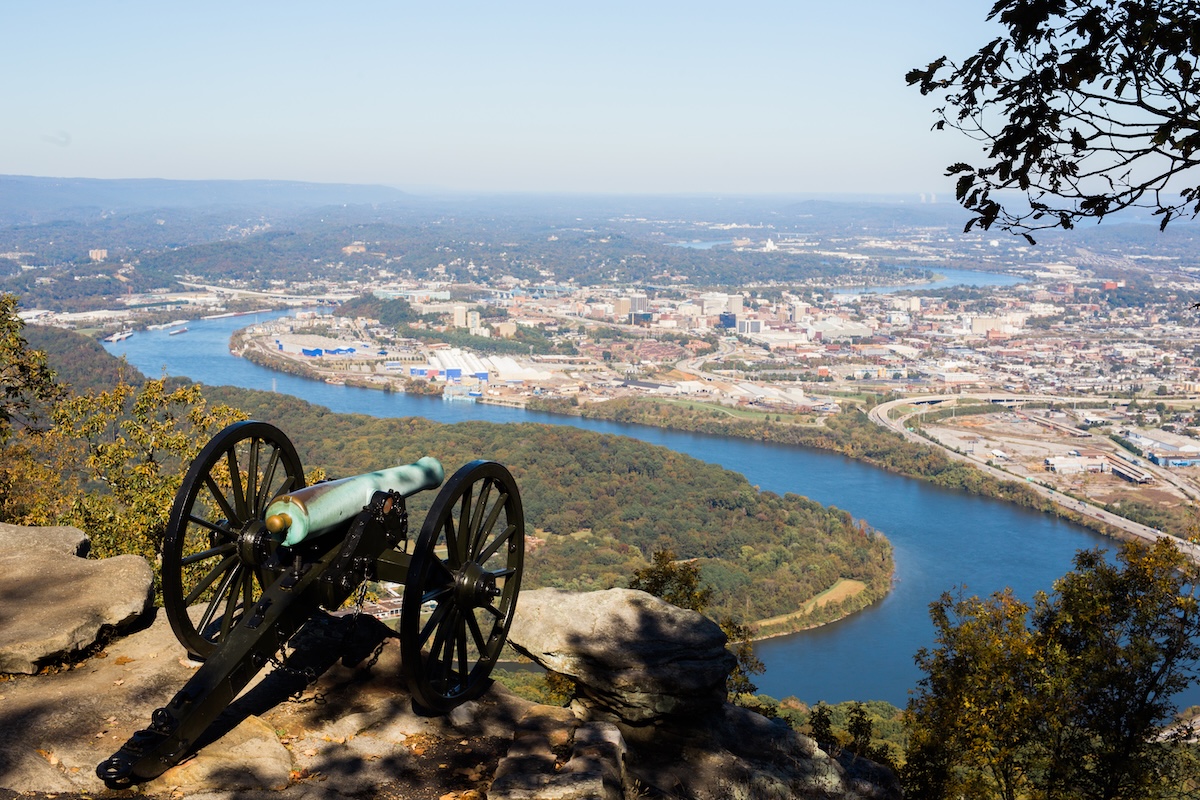
This park stretches across northwestern Georgia and southeastern Tennessee. It’s actually the largest and oldest military park in the U.S. Congress bought the land in 1892, and the park opened its gates in 1895.
You’ll find over 8,000 acres here, covering the sites of two major 1863 battles. First, the Confederates snagged a win at Chickamauga in September. Then, in November, Union troops came back strong during the Chattanooga battles and took the city.
Visitors can check out three main spots: Chickamauga battlefield, Lookout Mountain, and Missionary Ridge. The park’s dotted with about 600 monuments and 700 historical markers, each with its own story to tell. Both the Chickamauga and Chattanooga visitor centers open daily—except for Christmas and New Year’s Day—so you can dig into what really happened here.
8. Appomattox Court House
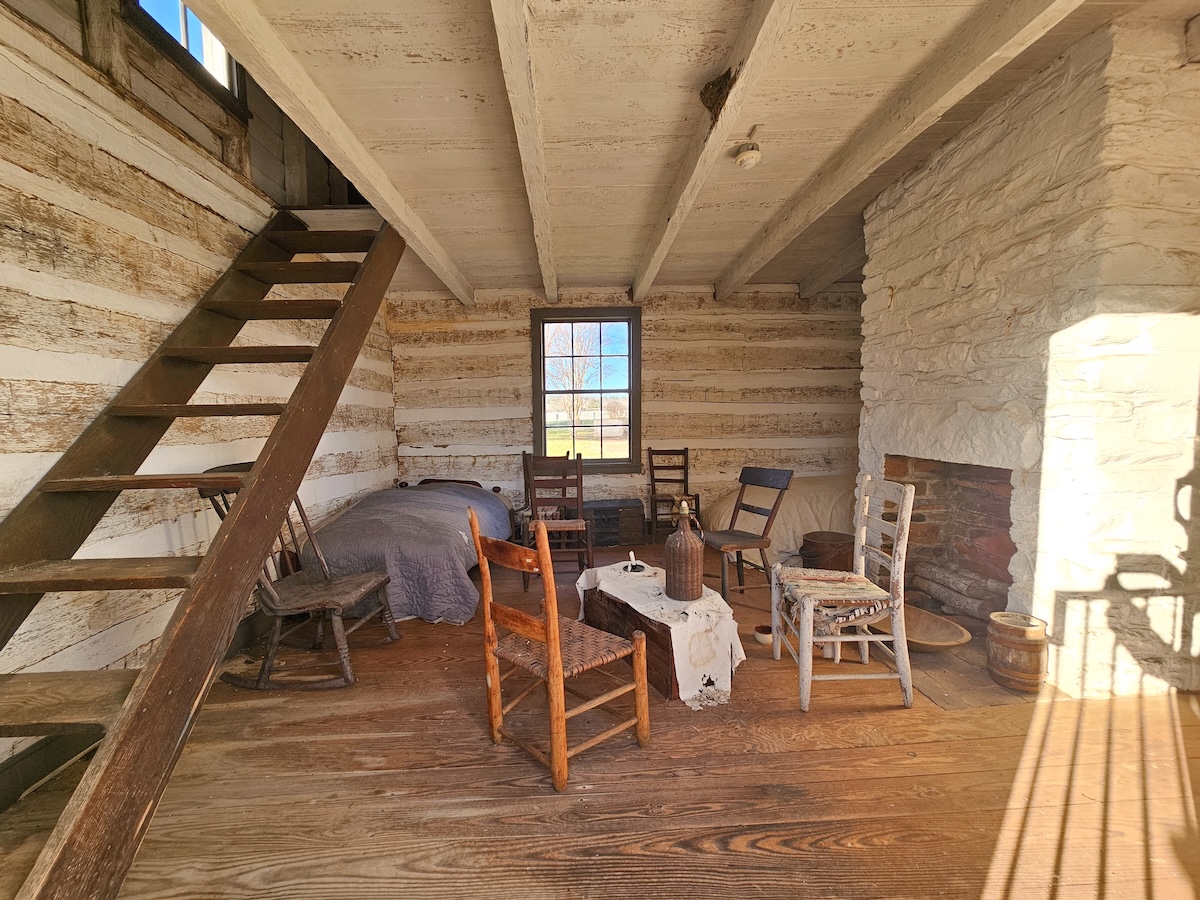
Appomattox Court House sits in south central Virginia, marking the spot where one of the most pivotal moments in American history unfolded. On April 9, 1865, General Robert E. Lee surrendered the Army of Northern Virginia to General Ulysses S. Grant. They met in the parlor of the McLean House and hammered out the terms right there—imagine the tension in that room.
This surrender pretty much ended the Civil War, even though a handful of Confederate forces kept fighting for a bit. After a week of running battles and retreating from Richmond, Lee’s army was worn out and surrounded. Honestly, he didn’t have any real options left.
Now, you can wander through the National Historical Park, which covers about 1,700 acres. There’s the rebuilt McLean House where it all went down, plus the old courthouse and the rolling battlefield grounds. If you’re into history, it’s worth a look.
7. Fort Sumter National Monument

The first bullets of the four-year-long war were fired at Fort Sumter in Charleston, South Carolina. The conflict began when the Confederates attacked Union forces on the tiny brick stronghold on an island in the Charleston Harbor. The first shots were fired at the crack of dawn and lasted a grueling 34-hours.
The war ended with a Confederate victory. Surprisingly, only two soldiers from the Union were killed during the fighting. Considering 500 Confederates fought against just 80 Union soldiers, the win was expected.
Today, the little fort can only be accessed by boat, and you can explore the well-preserved cannons and museum. There is something sobering about standing on the ground where the most influential war in America began.
6. Chancellorsville Battlefield

It was in Chancellorsville’s quiet woods in the heart of Virginia, where nearly 31 thousand soldiers lost their lives. Chancellorsville was one of the bloodiest battles of the year, and after six days, it ended in another Confederate victory.
It was a surprising victory since General Lee of the Confederates started with an army half the size of General Hooker’s Union army. But their victory came at a high cost, and the Confederates lost one of the most respected officers during the battle. Still, it was known as General Lee’s greatest victory.
At the time of the war, the battlefield was a dense wilderness of tangled trees and unpredictable growth. Today, it’s more of an empty field. While much of the landscape looks different from how it did in 1863, you can just imagine the chaos and confusion soldiers would have faced in the thick forest.
5. Andersonville National Historic Site

Andersonville wasn’t technically a battlefield, but its role in the Civil War was just as grim. Named Camp Sumter at the time, it was the largest Confederate prison camp, holding over 45 thousand Union soldiers throughout its 14 months of operation. It was designed to hold 10 thousand prisoners at a time, although at its busiest point, it held over 32 thousand Union soldiers.
The conditions were horrific – overcrowding, disease, and malnutrition led to the death of nearly 13 thousand of its prisoners. The camp’s commander, Henry Wirz, was tried and executed for his war crimes, making him one of the few individuals held accountable.
Today, Andersonville is a sad reminder of the human cost of war. The site includes the National Prisoner of War Museum and the Andersonville National Cemetery, which is still in use today.
4. Shiloh National Military Park

The Battle of Shiloh was one of the deadliest of the early stages of the Civil War. It began with a surprise attack by the Confederate forces and ended with over 23 thousand casualties after just two days.
The death toll was staggering on both sides, and Shiloh became a turning point in the war. Even though the Union army lost more soldiers, they won the battle, gaining control of the Mississippi Valley.
Fast forward to today, and this is one of the best-preserved Civil War battlefields in the country. The open fields and dense forests are just as they were during the battle. Visitors can explore the preserved trenches, a memorial monument, and the iconic Bloody Pond, dyed red by the wounded soldiers.
3. Antietam Battlefield
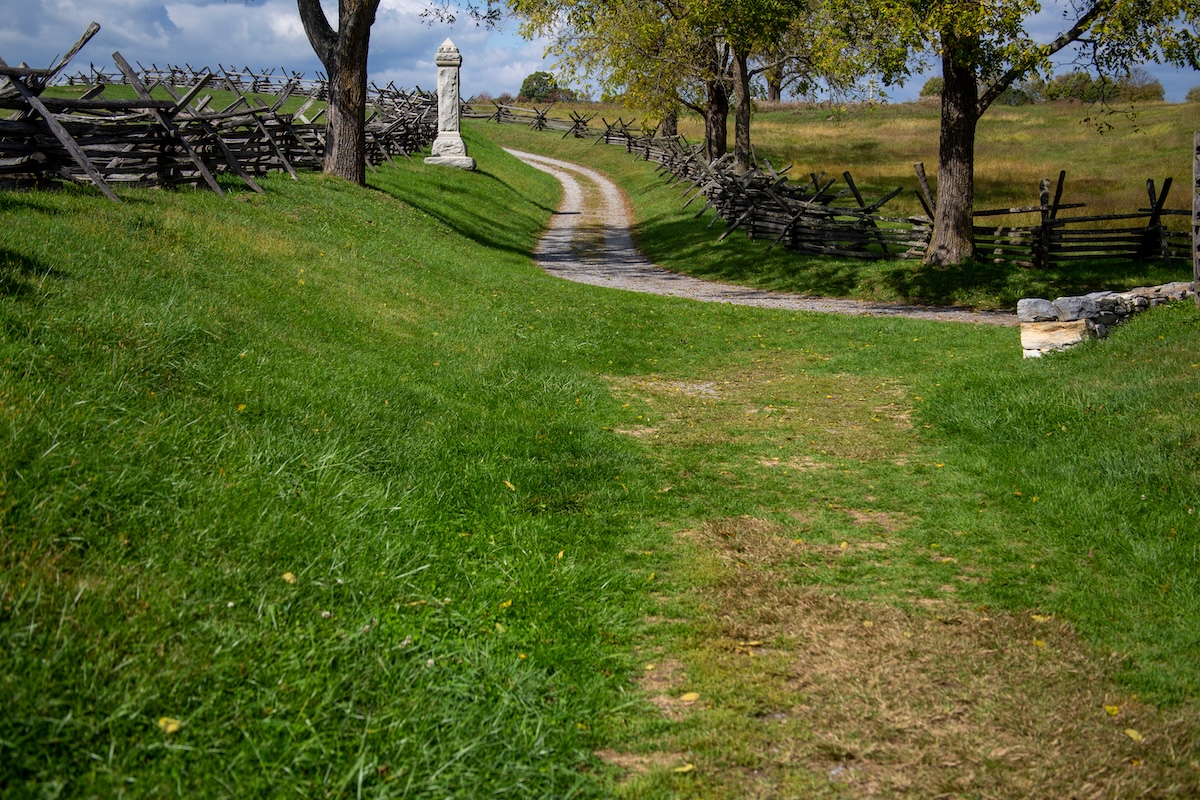
The Battle of Antietam fought on September 17th, 1862, remains the single bloodiest day in American military history. There was no winner in the battle, and the exact numbers of casualties are unknown. What we do know is that the death count was so high, a nearby village was transformed into a chilling burial ground that extended for miles.
Some good did come out of this battle. It was after this tragic event that President Lincoln drafted a statement that would eventually shift the focus of the war to the abolition of slavery.
Antietam’s rolling fields and historic landmarks are beautifully preserved. The site includes a visitor center and hiking trails that crisscross the site. I also recommend visiting the Pry House Field Hospital Museum and walking down the eerily quiet Bloody Lane.
2. Vicksburg National Military Park

The Siege of Vicksburg lasted over one month, from 18th May to 4th July 1863. At the time, the stronghold of Vicksburg was a critical source of supplies for the Confederates. The battle was a major turning point in the war, with a victory that gave the Union control of the Mississippi River. With this, they effectively split the Confederacy into two.
Lincoln said, ‘Vicksburg is the key, and the war can never be brought to a close until that key is in our pockets.’ And he sure was right.
The battlefield that hosted this 47-day standoff is scattered with 1325 historic monuments and markers, including the Vicksburg National Cemetery, reconstructed trenches, and 144 cannons.
1. Gettysburg National Military Park

When we think of the major battles of the Civil War, Gettysburg pops into mind. This battle unfolded in the picturesque Pennsylvania countryside and was a pivotal turning point in the war.
The battle was won by the Union, who dashed the Confederate hopes to become an independent nation. But not without a high human cost. The fight led to the most casualties in a short time frame – 51 thousand in two days, to be precise.
The battlefield looks much like it did 150 years ago, except with a few monuments and memorials in the mix. You can feel the gravity of what happened here when walking through the national military park. It’s also the place where Lincoln delivered the famous Gettysburg Address, which redefined the purpose of the war as one for liberty and equality for all.





Leave a Reply