
Think your hometown has history? These ancient cities will put that notion to rest. While most modern cities date back a few hundred years, some rare urban centers have been continuously inhabited for thousands of years – witnessing the rise and fall of countless empires, technologies, and belief systems.
What’s amazing is that you can still visit these living museums today. Forget about archeological sites where you have to put your imagination to the test. Here, people actually live their daily lives amid layers of history stretching back to the earliest days of human civilization. Pack your curiosity and walking shoes as we explore cities that have stood the test of time like no others.
22. Rome, Italy (753 BC)
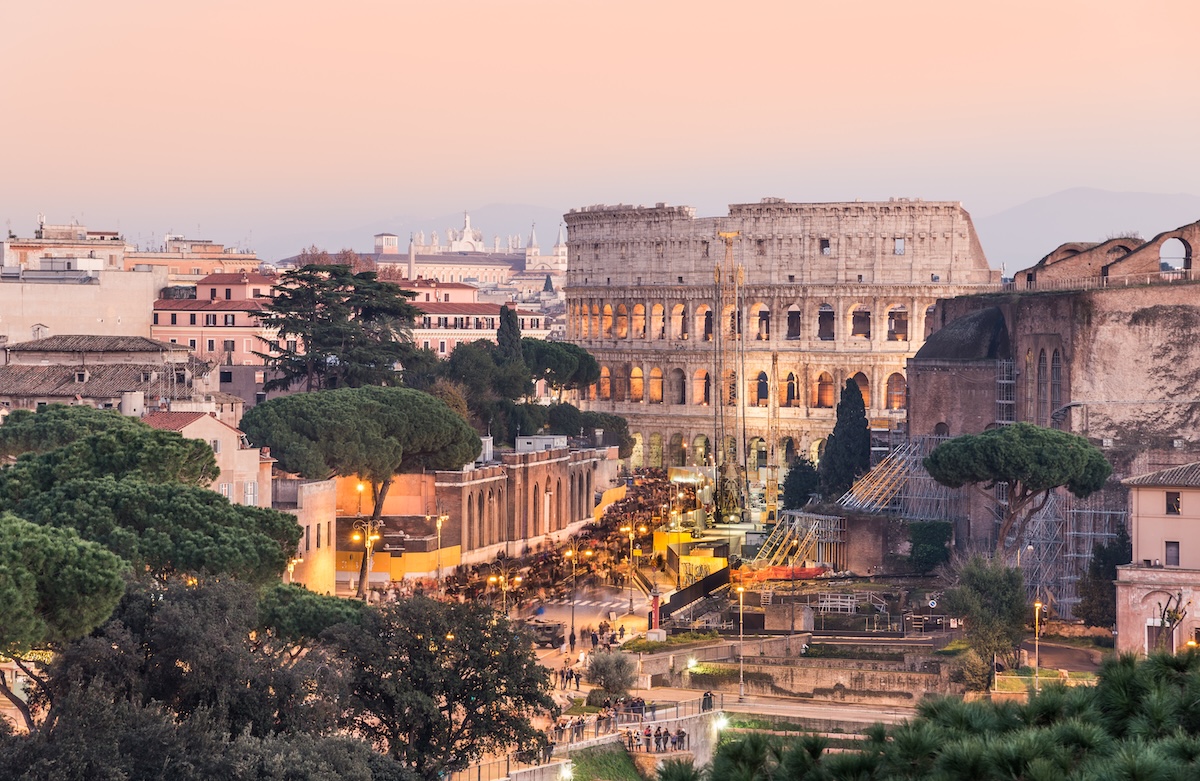
Rome began as a small settlement next to the Tiber River nearly 2,800 years ago. The Romans said their city was founded on April 21, 753 BC, though honestly, it might be even older than that.
Walk through Rome today and you’ll spot layers of history everywhere. The Colosseum stands as proof of ancient engineering skills. The Roman Forum marks where citizens once gathered for politics and trade. Rome’s got this wild blend of ancient and modern. You’ll find 2,000-year-old ruins right next to busy cafes and shops. The Pantheon, with its massive dome, still amazes visitors just like it did centuries ago.
Rome grew from that riverside town into an empire that stretched across three continents. Now, you can wander the same streets where gladiators, emperors, and everyday Romans once walked.
21. Flores, Guatemala (900 BC)

Built on an island in Lake Petén Itzá, Flores was once the last stronghold of the Maya civilization. The Spanish couldn’t conquer it until 1697, way after they’d taken over most of the Americas. Today, it’s a tiny place you can walk across in about 10 minutes, with narrow cobblestone streets and pastel-colored buildings reflecting in the lake.
Flores serves as the gateway to the impressive Tikal ruins nearby, but the island itself holds plenty of history. The layout of streets follows ancient Maya patterns, and locals say some original stones still hide under newer buildings. Grab a beer at sunset on the waterfront and let the weight of 3,000 years of continuous human settlement sink in.
20. Xi’an, China (1,100 BC)
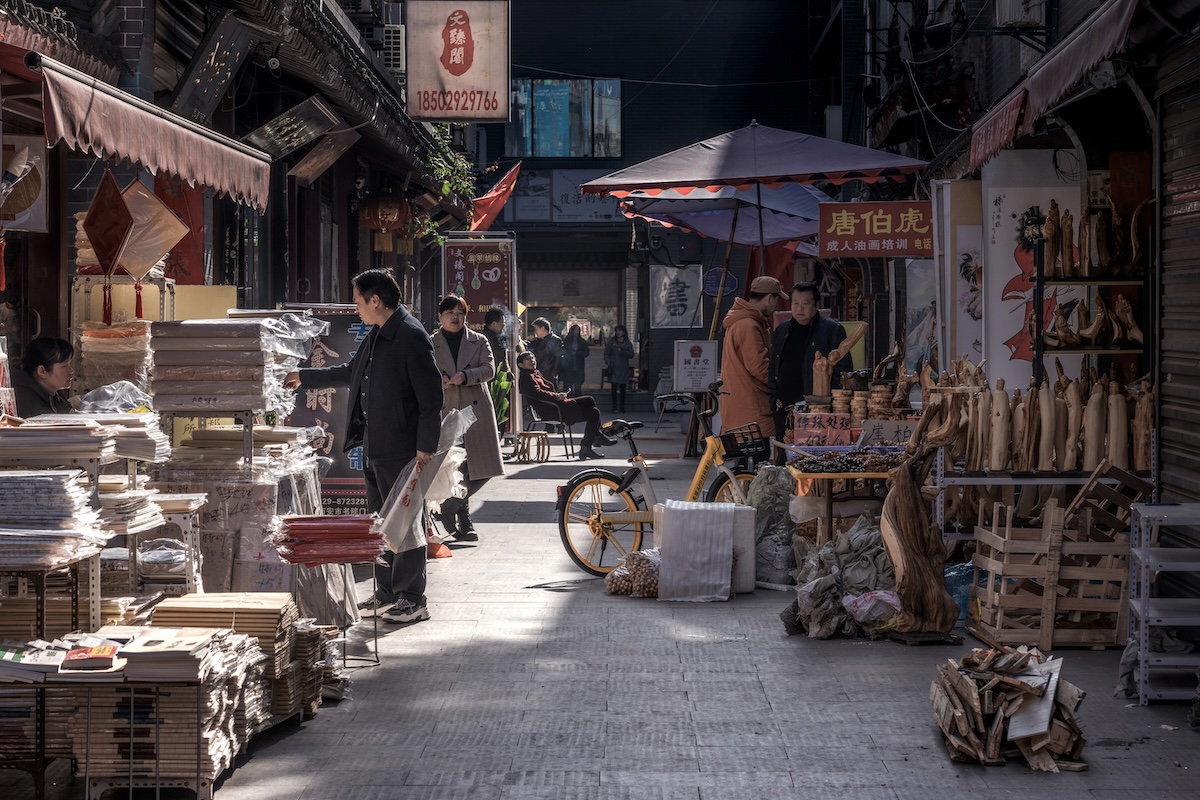
Xi’an stands as one of China’s most ancient cities, with roots stretching back over 3,000 years. It’s in Shaanxi Province, and it once went by the name Chang’an.
This city served as the capital for 13 different Chinese dynasties. The Western Han Dynasty made Chang’an the world’s largest city at the time, starting in 206 BC.
Visit today and you’ll find the famous Terracotta Warriors and streets where emperors ruled. Xi’an was China’s political and cultural heart for over 1,200 years. Now, over 13 million people live among its ancient ruins and modern buildings. Remnants of the old Weiyang Palace still exist, and you can get a sense of how this trading hub connected East and West for centuries.
19. Cadíz, Spain (1,100 BC)

Phoenician traders founded this Atlantic port city and called it Gadir and it’s basically been open for business ever since. Cádiz sits on a skinny peninsula jutting into the ocean, with ancient city walls, a Roman theater, and a cathedral that took 116 years to build because they kept running out of money.
What makes Cádiz special is how casual locals are about their ancient home. Kids play soccer against walls built before Jesus was born, and fishermen repair nets where Phoenician boats once docked. The seafood here is ridiculous but you’d think after 3,100 years they’ve perfected how to cook it.
18. Lisbon, Portugal (1,200 BC)
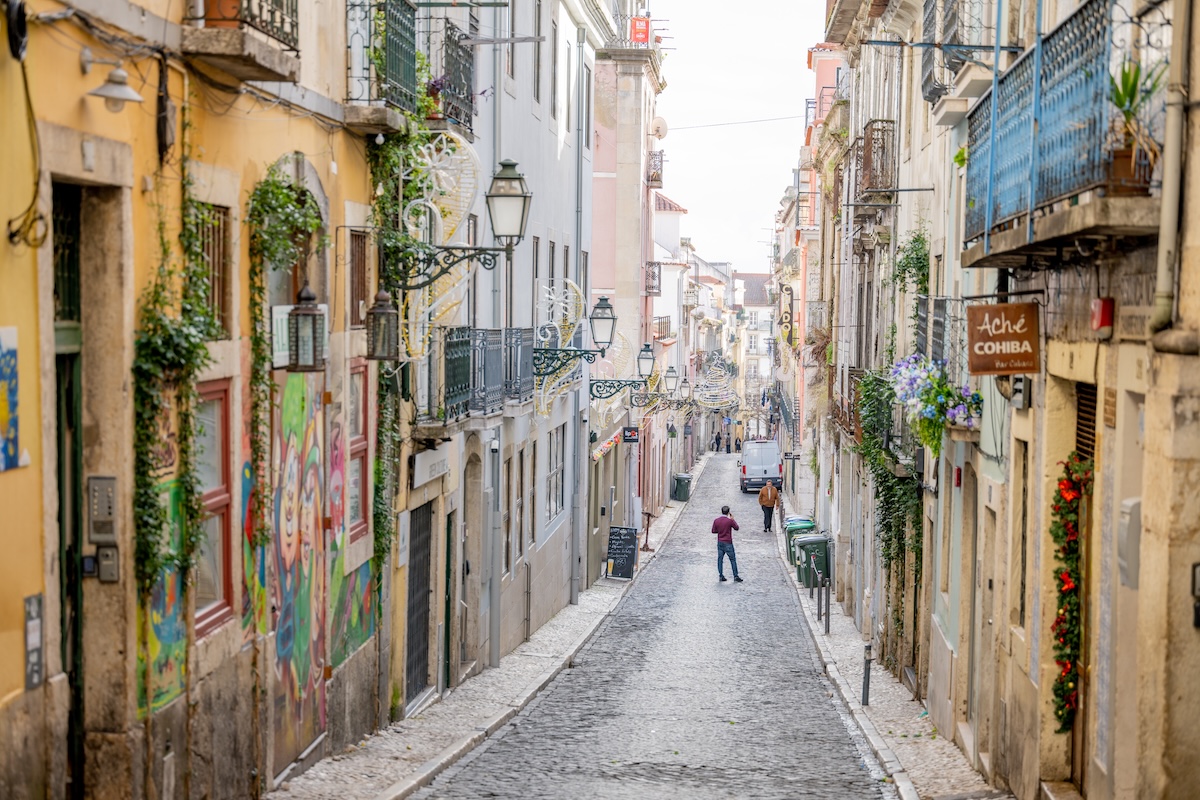
Lisbon is one of Western Europe’s oldest cities you can actually explore. The Phoenicians founded this coastal settlement around 1200 BC, drawn by its prime spot at the mouth of the Tagus River.
You’re walking streets that have seen over 3,000 years of history. Lisbon’s even older than Rome, Paris, and London by hundreds of years. In all of Europe, only Athens beats it in age. The city’s strategic position made it perfect for ancient traders and seafarers. Greeks, Romans, and Moors all left their mark here. You can still visit Castelo de São Jorge, perched on a hilltop that’s been important for thousands of years.
The Alfama neighborhood gives you a real taste of Lisbon’s ancient past. Its narrow streets and old houses feel more like a village than a modern capital.
17. Luoyang, China (1,600 BC)

Luoyang served as China’s capital during multiple dynasties, starting with the Eastern Zhou around 770 BC. The city sits at the intersection of the Luo and Yellow Rivers in a spot Chinese geomancers considered perfect. Thirteen dynasties based themselves here, leaving behind layers of imperial treasures.
The Longmen Grottoes outside town showcase over 100,000 Buddha statues carved into limestone cliffs during the 5th to 8th centuries. Some tower 17 meters high; others are small enough to fit in your palm. If you ever make it to town, order a bowl of Luoyang water banquet, a 24-course meal that’s somehow mostly soup, for a taste of imperial life.
16. Chania, Crete (1,700 BC)
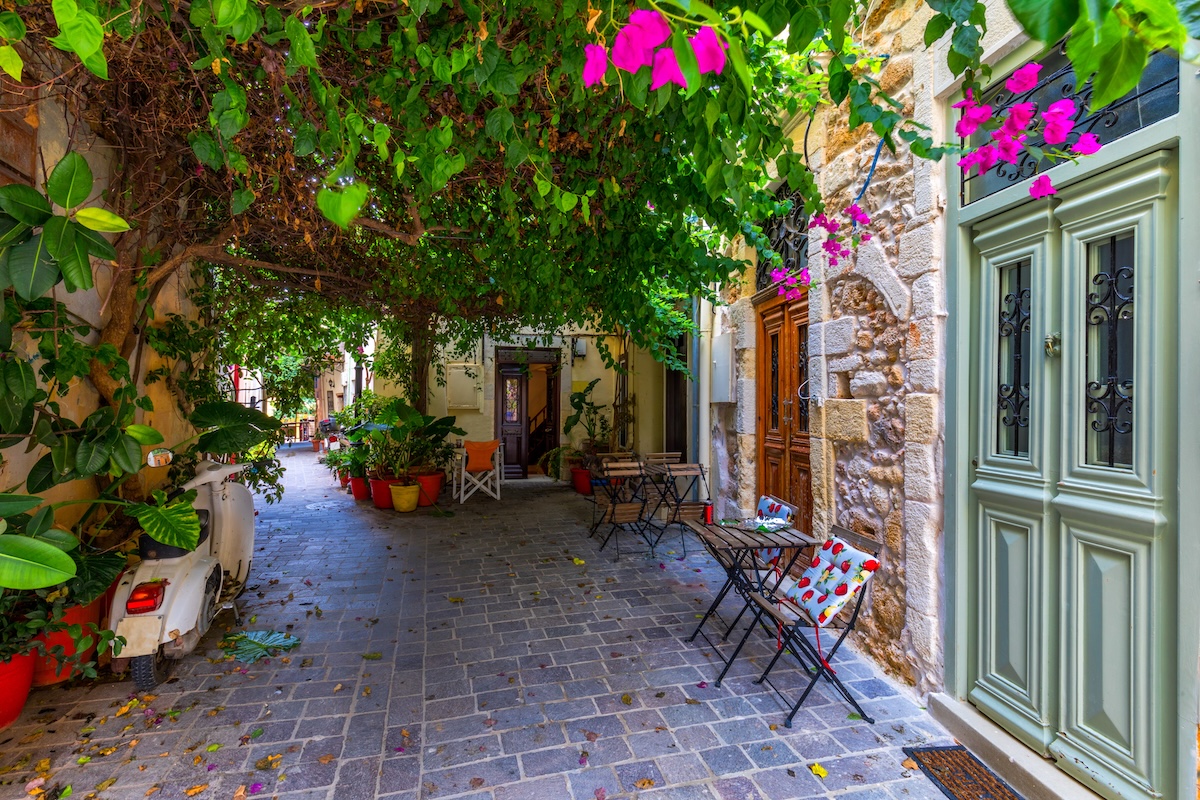
Chania sits on the northwest coast of Crete as one of Europe’s oldest continuously inhabited cities. It started as the Minoan settlement of Kydonia around 1,700 BC. People have lived here for almost 4,000 years.
Walk through Chania today and you’ll see layers of history. The old town shows influences from the Minoans, Romans, Venetians, and Ottomans who all controlled the city at different times.
The Venetian harbor is one of the most beautiful spots in Greece. You can still see the fortresses and architecture from centuries past. Ancient Kydonia grew into a powerful city-state that thrived through Greek and Roman periods.
15. Varanasi, India (1,800 BC)

Mark Twain said Varanasi is “older than history, older than tradition, older even than legend.” The city has been a spiritual center for nearly 4,000 years. Hindu pilgrims come to bathe in the Ganges River and cremate their dead, believing that dying in Varanasi breaks the cycle of reincarnation.
Dawn boat rides reveal pilgrims bathing, yogis meditating, and funeral pyres burning – all before breakfast. The maze-like old city contains over 2,000 temples, including the gold-topped Kashi Vishwanath, dedicated to Shiva. Varanasi doesn’t try to be pretty or comfortable, but it’s more alive than anywhere else on earth.
14. Jerusalem, Israel (3,000 BC)

Jerusalem contains more spiritual real estate per square meter than anywhere else on earth. The walled Old City houses major holy sites for Judaism, Christianity, and Islam, often right on top of each other. People have fought over this land for 5,000 years, yet somehow the city endures.
Walking through the four quarters (Jewish, Muslim, Christian, and Armenian), you’ll pass the Western Wall, the Church of the Holy Sepulchre, and the Dome of the Rock, each considered among the most sacred places by different faiths. The food scene also brings together Middle Eastern traditions from all religions so try a plate of hummus so good it might just bring peace to the region – briefly, anyway.
13. Luxor, Egypt (2,200 BC)

Ancient Egyptians called it Thebes; modern Egyptians call it Luxor. Either way, it’s basically the world’s biggest open-air museum. The city straddles the Nile River with the Temple of Luxor and massive Karnak complex on the east bank and the Valley of the Kings on the west. People have lived here continuously while empire after empire rose and fell.
When the sun hits Karnak’s hypostyle hall, with its 134 gigantic columns, you’ll understand why pharaohs thought they were gods. Modern Luxor wraps around these ancient structures in a sometimes awkward embrace and you might see satellite dishes attached to buildings with hieroglyphics, or horses grazing in the shadow of 3,000-year-old statues.
12. Damascus, Syria (3,000 BC)

Before Syria’s civil war, Damascus claimed the title of world’s oldest continuously inhabited city. The Old City remains a maze of narrow streets centered around the Umayyad Mosque, built in 715 CE. Eight thousand years of urban history lie buried under current streets, with Romans, Byzantines, and various Islamic dynasties all leaving their mark.
The covered souks sell everything from spices to inlaid wooden boxes in shops that have seen centuries of commerce. While war has sadly damaged parts of the city and made tourism challenging, Damascenes proudly maintain their heritage. The city that witnessed the birth of agriculture, writing, and monotheistic religion still stands despite everything thrown at it.
11. Athens, Greece (3,000 BC)
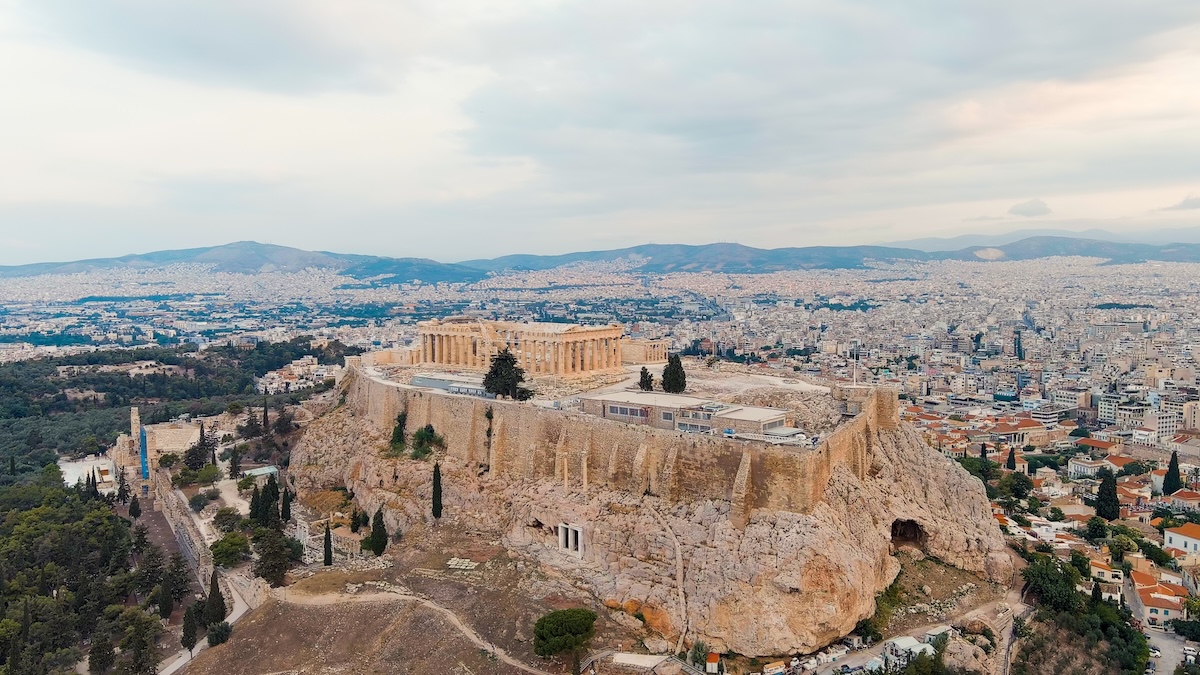
Athens has been home to people for at least 5,000 years. Human activity in the area goes back even further, with the Cave of Schist showing signs of life from around 11,000 to 7,000 BC.
By 1400 BC, Athens had become a major center of Mycenaean culture. The famous Acropolis wasn’t just a religious site back then; it served as a massive fortress for the Mycenaeans, and you can still see parts of those ancient structures today. Walk through Athens now and you’re literally stepping on thousands of years of history. The city has never stopped being inhabited, which is pretty rare among ancient places.
You’ll spot layers of different civilizations all mixed together here. Ancient temples sit next to modern buildings, giving you a unique look at how one place has changed over millennia while staying alive and active.
10. Faiyum, Egypt (4,000 BC)
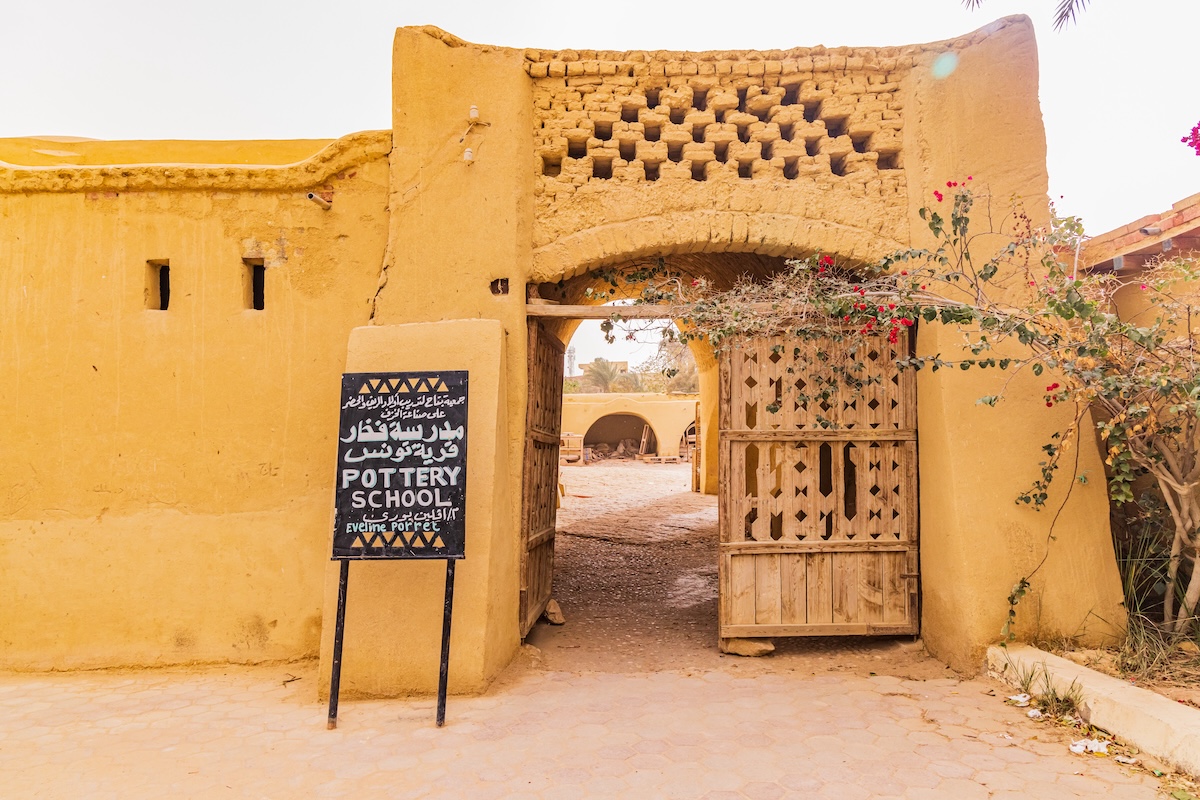
Faiyum sits about 60 miles southwest of Cairo, in a fertile oasis that’s been home to people since around 4000 BC. That makes it one of the oldest cities you can still walk through today.
The first Egyptians to farm the land settled here, creating cultures known as Qaroun, Faiyum, and Moeris. Ancient Egyptians called it different names over time, including Ta-She, meaning “Land of the Lakes.” Visit and you’ll find the Pyramid of Amenemhat III at Hawara from the Middle Kingdom period. The area also has the world’s oldest paved road, built over 4,600 years ago to move basalt blocks from nearby quarries.
The city sits in a unique oasis environment where you can enjoy outdoor activities and see ancient sites. Faiyum has kept people living there continuously for 6,000 years—it’s a living connection to ancient Egyptian civilization.
9. Tarsus, Turkey (4,000 BC)
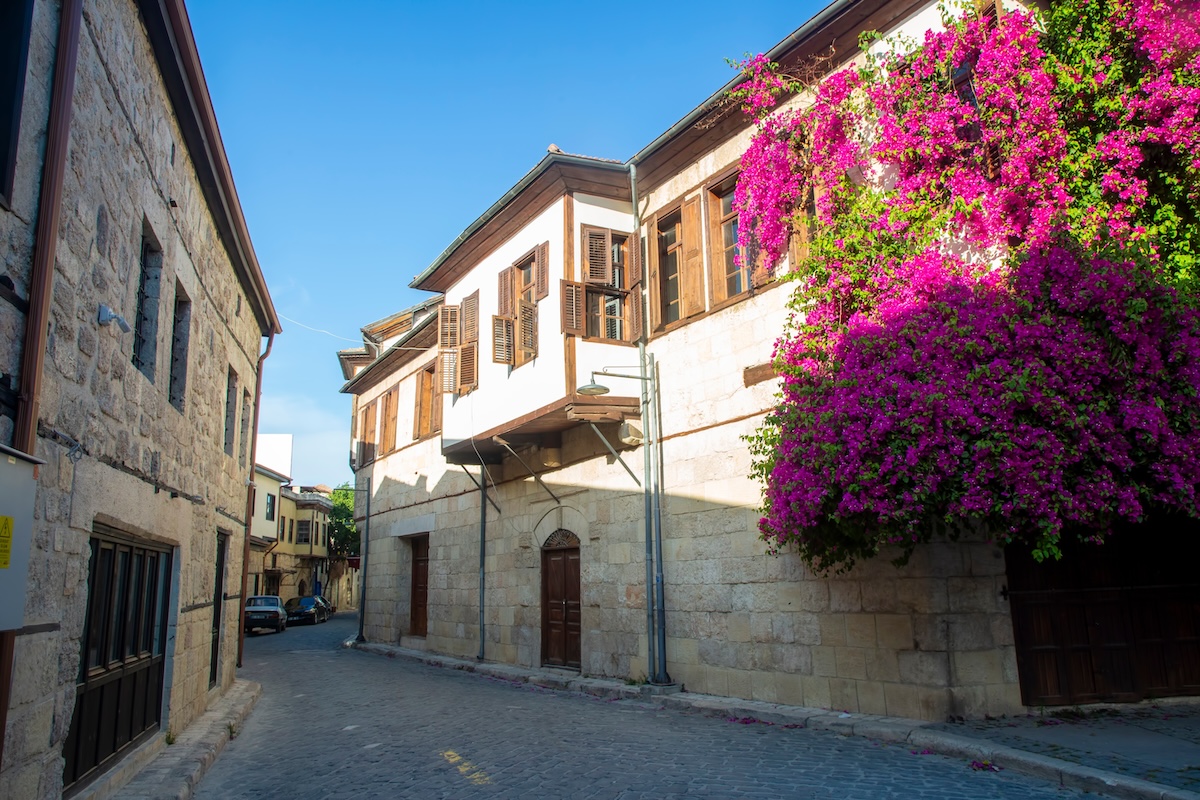
Tarsus lies about 12 miles inland from the Mediterranean Sea in southern Turkey. People have lived here for over 6,000 years straight. It’s honestly one of the oldest spots on Earth where people have never stopped calling home.
The city started back in the Neolithic Period. Over thousands of years, it became a major commercial crossroads in the region of Cilicia. The Hittites knew it, the Romans made it their capital of Cilicia, and countless other civilizations left their mark here.
You might know Tarsus as the birthplace of St. Paul the Apostle. Today, about 350,000 people live here in Mersin Province. Walk through historical sites and you’ll feel connected to ancient times, even though modern life buzzes all around you.
8. Sidon, Lebanon (4,000 BC)
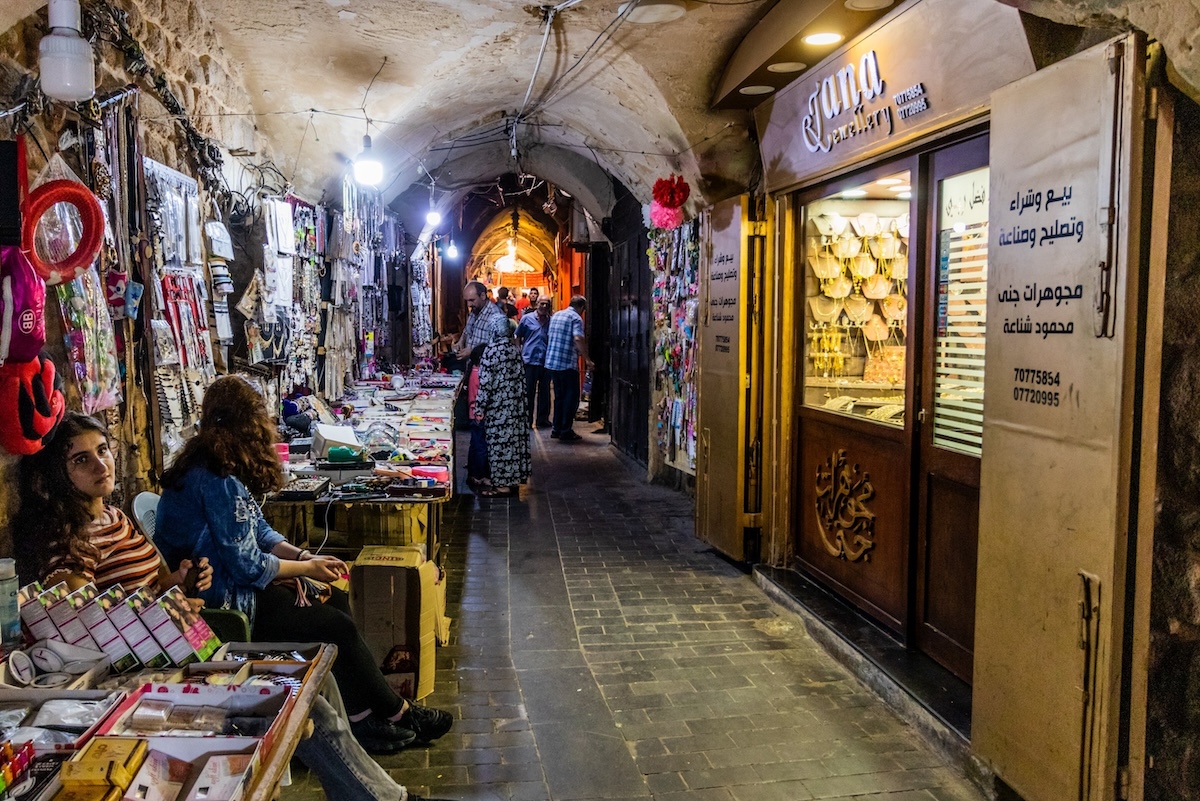
Walk through Sidon and you’re stepping onto streets that have seen over 6,000 years of human history. This coastal city sits about 25 miles south of Beirut along Lebanon’s Mediterranean shore.
The ancient Phoenicians made Sidon one of their most powerful city-states. Ruins show how the city became famous for its seafaring skills and trade networks that stretched across the ancient world. The city produced glass and purple dye that made it wealthy and important. Different empires took control of Sidon over the centuries—Assyrians, Babylonians, Persians, and Greeks all ruled here at different times. The city appears in Homer’s poems and throughout the Old Testament.
Explore the old souks, check out the Sea Castle built by Crusaders, and see layers of history stacked on top of each other. Sidon still serves as Lebanon’s third-largest urban center, all while preserving its ancient past.
7. Plovdiv, Bulgaria (4,000 BC)

Plovdiv has been conquered more times than most cities have had mayors. Thracians, Macedonians, Romans, Byzantines, Ottomans – everyone wanted this strategic spot. Each left their mark, creating a city where you can literally walk upstairs from Roman ruins into a 19th-century merchant’s house.
The well-preserved Roman amphitheater still hosts concerts with incredible acoustics and sunset views. The city has a quirky artistic vibe, with galleries and cafes tucked into buildings older than most countries. Europe’s 2019 Capital of Culture title finally gave Plovdiv some recognition after 6,000 years of being overshadowed by flashier ancient cities.
6. Susa, Iran (4,200 BC)
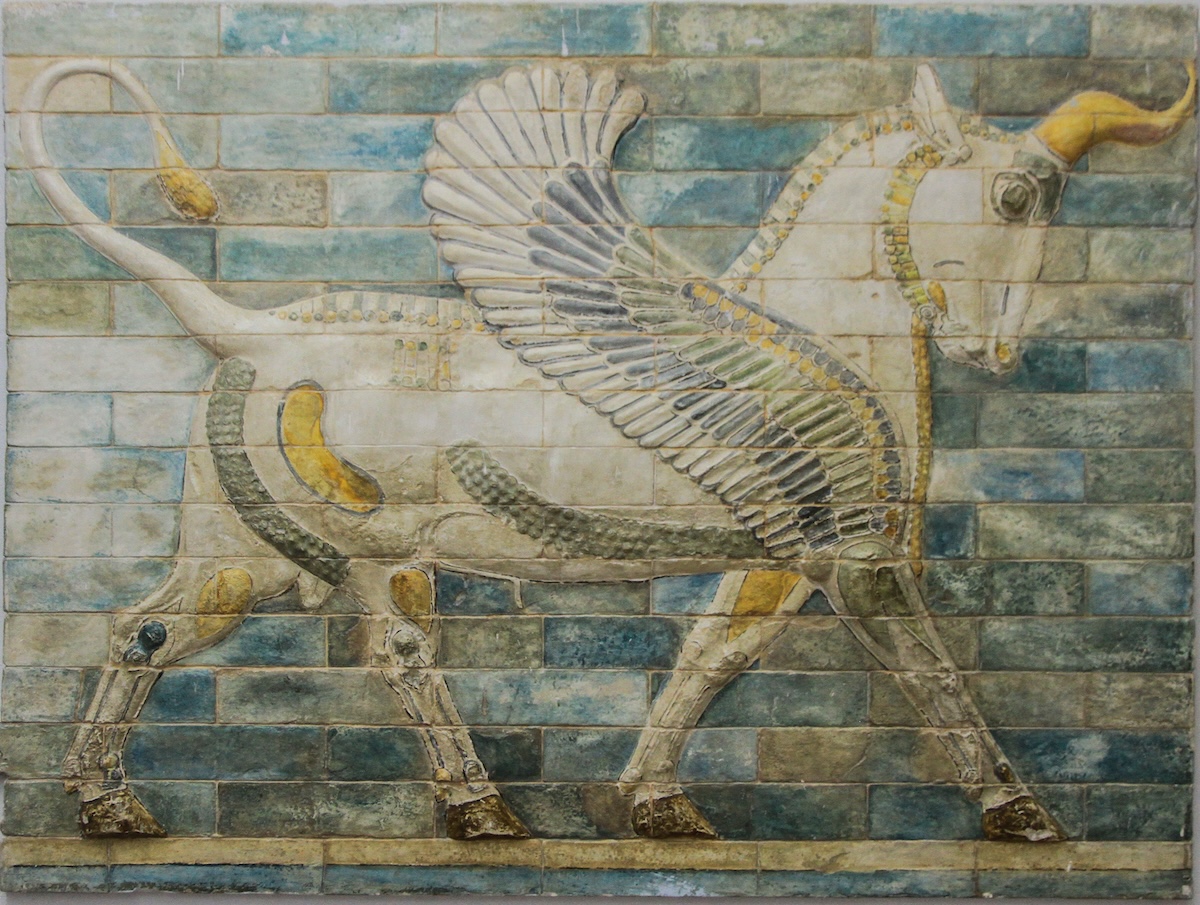
Susa sits in the lower Zagros Mountains of southwestern Iran, about 160 miles east of the Tigris River. People have lived here for over 6,000 years, making it one of the oldest continuously inhabited places you can visit.
The site became a major urban center in the late 5th millennium BC. Today, people call it Shush in Iran’s Khuzestan Province. Visit and you’ll find several archaeological areas. The remains include the Acropolis, the oldest part of the complex. You’ll also see ruins of the Apadana, the royal palace where Persian King Darius I once ruled. The Royal City and City of Craftsmen areas are there too, along with a 4th century BC palace.
Susa served as a capital for several civilizations throughout history, including the Elamites, Persians, and Parthians.
5. Argos, Greece (5,000 BC)

While Athens gets all the glory, Argos quietly holds the title of longest continuously inhabited city in Greece. Homer mentioned it as already being ancient during the Trojan War. The city maintains layers of history from Mycenaean, Classical Greek, Roman, Byzantine, and Ottoman periods, all visible within walking distance.
The massive Larissa Castle overlooks the modern city from a 289-meter hill, while the perfectly preserved ancient theater could seat 20,000 spectators. Today’s Argos functions as a regular Greek city, with people shopping and drinking coffee among ruins older than the Parthenon. Somehow Argos has stayed inhabited through everything from Persian invasions to economic crises.
4. Byblos, Lebanon (5,000 BC)
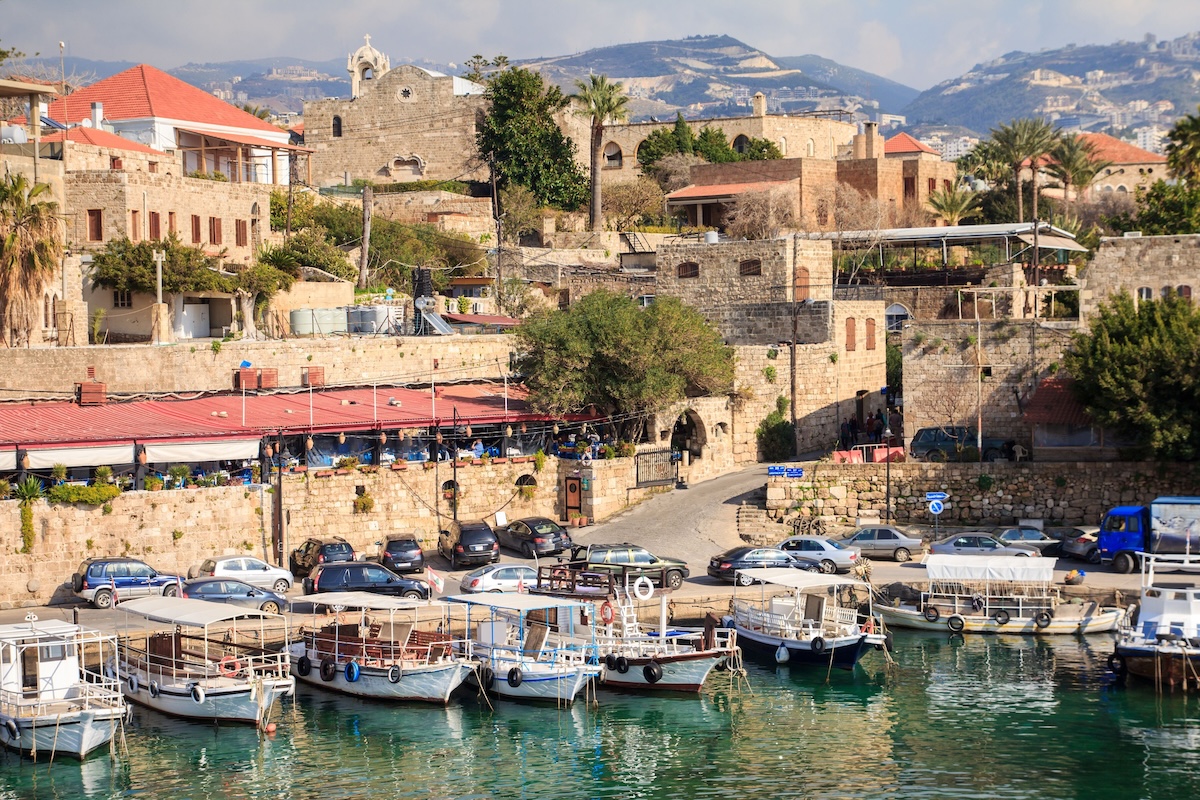
Byblos gave us the word “bible” as the ancient Greeks called papyrus “byblos” after this port city that traded the writing material. This Mediterranean harbor town has been shipping goods since before boats had sails. The Phoenicians used it as their main port, and the first alphabet developed here, eventually evolving into the letters you’re reading right now.
Today, Byblos mixes ancient ruins with a buzzing modern scene. The Crusader castle, built around 1100 CE, sits atop layers of earlier civilizations, including Persian, Roman, and Egyptian remains. The harbor still functions, now filled with fishing boats and seafood restaurants. Sunsets here hit the Mediterranean with the same golden light that ancient mariners saw 7,000 years ago.
3. Aleppo, Syria (5,000 BC)

Before war devastated much of Aleppo, it was a magnificent example of continuous urban life spanning seven millennia. The city stood at the end of the Silk Road, creating a merchant culture that welcomed traders from Europe, Asia, and Africa. The Old City, a UNESCO site, featured miles of covered bazaars, hammams, and caravanserais where traders rested.
Aleppo’s massive citadel rises 50 meters above the city on a hill that’s been fortified since at least 3000 BC. Despite significant damage during Syria’s civil war, residents have begun rebuilding, determined to maintain their ancient heritage. The city that survived the Mongols, Crusaders, and countless earthquakes isn’t giving up its 7,000-year run.
2. Matera, Italy (7,000 BC)
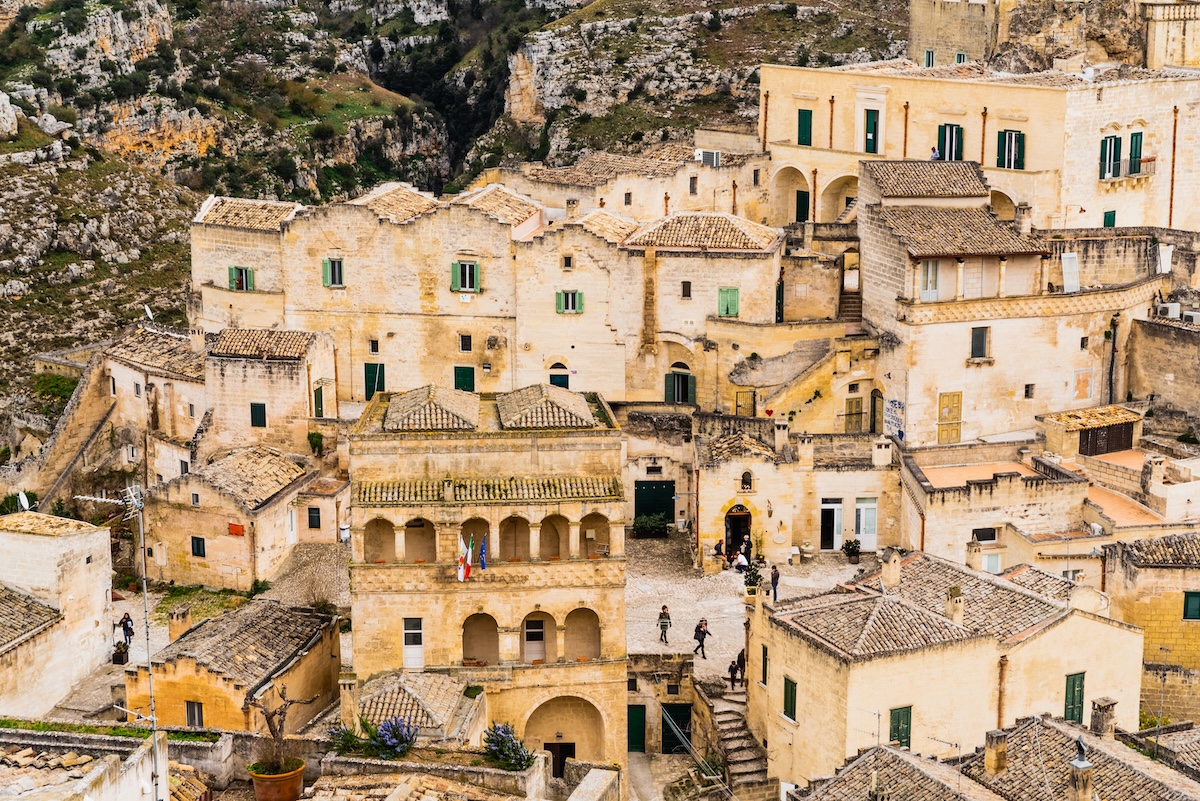
Matera sits carved into the rugged hills of southern Italy’s Basilicata region. People have called this place home for about 9,000 years—yeah, that’s a pretty wild stretch of time. It’s easily among the oldest spots on Earth where folks have never really left.
The real soul of Matera is the Sassi. Imagine cave dwellings hacked right into pale limestone cliffs, some of them still showing soot from ancient fires. These aren’t just relics—families actually lived in these caves up until the 1950s. The stone homes and tangled footpaths twist through two deep canyons, making the city feel like a living labyrinth.
If you go now, you’ll find a city that’s flipped its story. Matera, once labeled the “shame of Italy” because of its poverty, now proudly holds UNESCO World Heritage status. Loads of those old caves have become quirky hotels and candlelit restaurants, so you can literally sleep or eat inside history.
1. Jericho, West Bank (9,000 BC)

Jericho makes other “ancient” cities look like newcomers. Evidence shows people were living in this oasis near the Dead Sea 11,000 years ago, back when most humans were still hunting and gathering. They built the world’s first known protective wall around 8000 BC, millennia before the biblical story of walls tumbling down.
The secret to Jericho’s longevity? A reliable spring in an otherwise dry landscape. The “city of palms” sits 258 meters below sea level, creating a warm microclimate where bananas and oranges thrive. Despite political complications in the region, tourists can still visit the site where urban life as we know it began.







Leave a Reply